Film Rhythm After Sound: Technology, Music and Performance
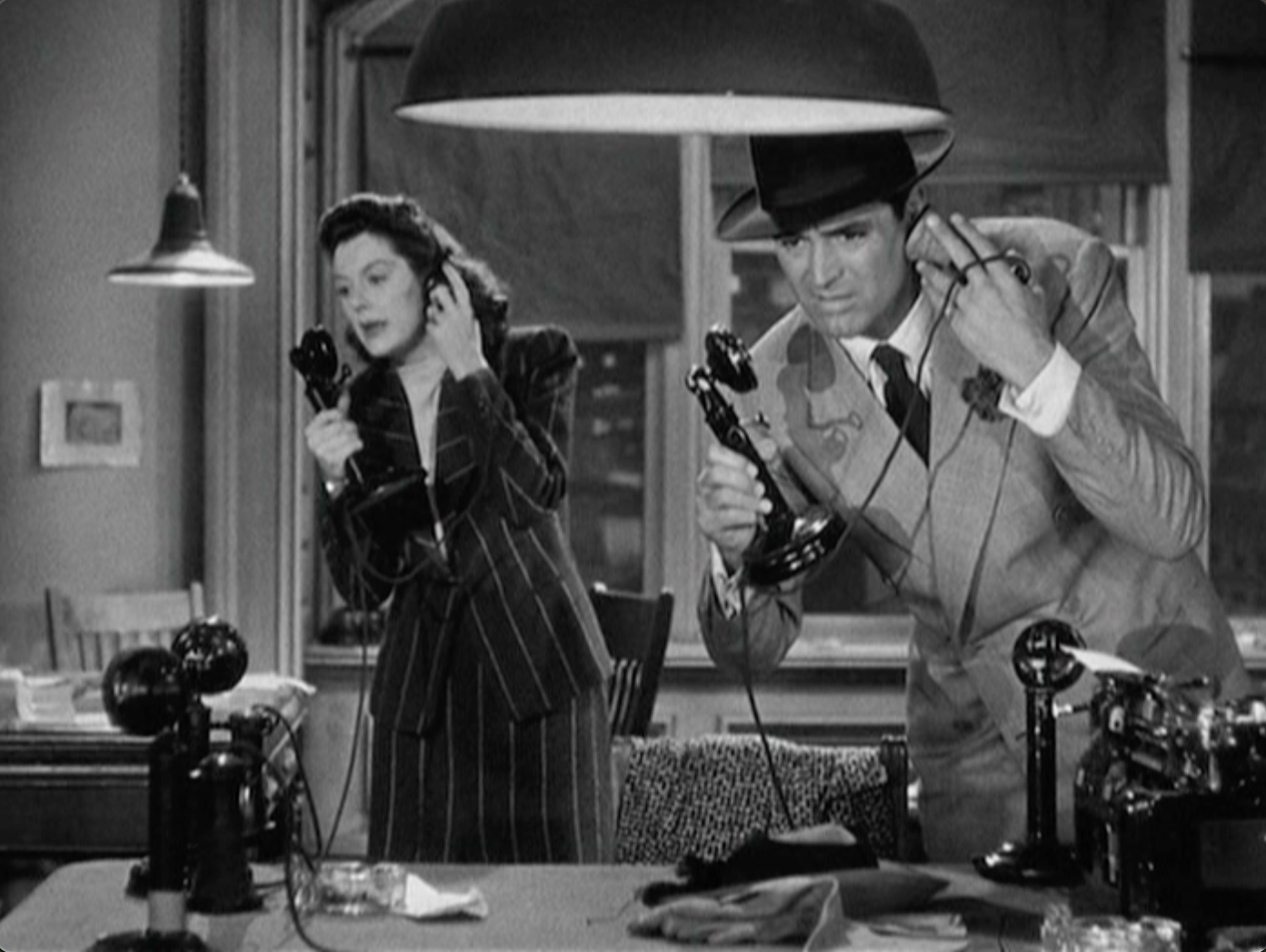
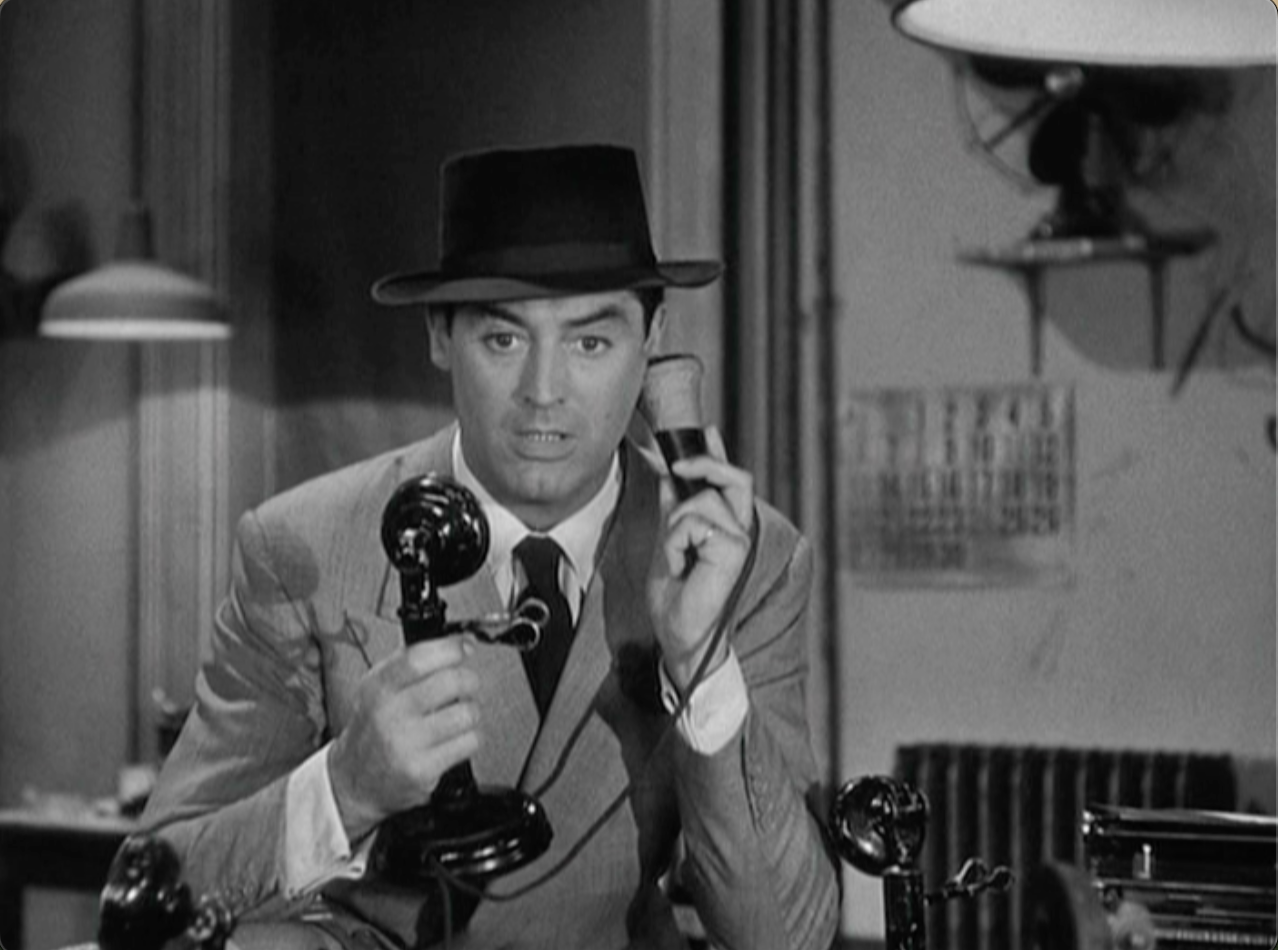
His Girl Friday (Howard Hawks, 1940)
Film Rhythm After Sound (University of California Press, 2015) analyzes the rhythmic dimensions of performance and sound in a diverse set of case studies: the Eisenstein-Prokofiev collaboration Ivan the Terrible, Walt Disney’s Silly Symphonies and early Mickey Mouse cartoons, musicals by Ernst Lubitsch and Rouben Mamoulian, and the impeccably timed dialogue in Howard Hawks’s films. In the early years of the transition to sound, filmmakers experimented with different strategies for synchronizing speech, sound effects and action. Music often served as a blueprint for rhythm and pacing, as was the case in mickey-mousing, the close integration of music and movement in animation. However, by the mid-1930s, filmmakers had also gained enough control over dialogue recording and editing to utilize dialogue to pace scenes independently of the music track.
Table of Contents
Bibliography
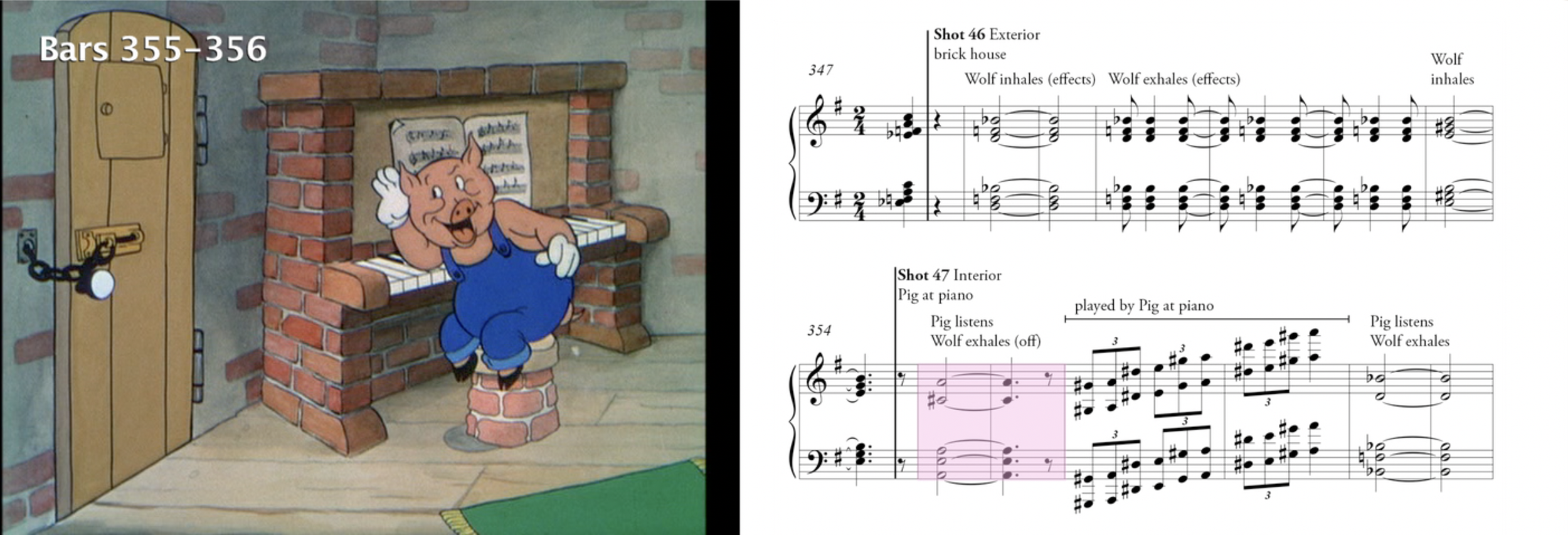
From Clip 7 of Film Rhythm After Sound
“I’ll start with a simple declarative statement: this is a brilliant book. If you care about the way that movies are made and experienced, you need to read it. Now.”
— Kent Jones, Film Comment
CLIPS CITED IN
FILM RHYTHM AFTER SOUND
Clip 1. Song o’ My Heart, sync-sound scene compared to music-and-effects version
Clip 2. Pett and Pott, commuters scene
Clip 3. Ivan the Terrible, Part I, Ivan speaks to the boyars, introduction
Clip 4. Ivan the Terrible, Part I, Ivan rises
Clip 5. Three Little Pigs, shot 15
Clip 6. Three Little Pigs, first agitato
Clip 7. Three Little Pigs, wolf’s final assault
Clip 8. Playful Pluto, wind vortex
Clip 9. Playful Pluto, water hose
Clip 10. Love Me Tonight, noise prelude
Clip 11. Love Me Tonight, arrivals at the chateau.
Clip 12. Monte Carlo, first conversation
Clip 13. Monte Carlo, second conversation
Clip 14. Trouble in Paradise, conversation
RELATED ARTICLES
ON THE TRANSITION TO SOUND
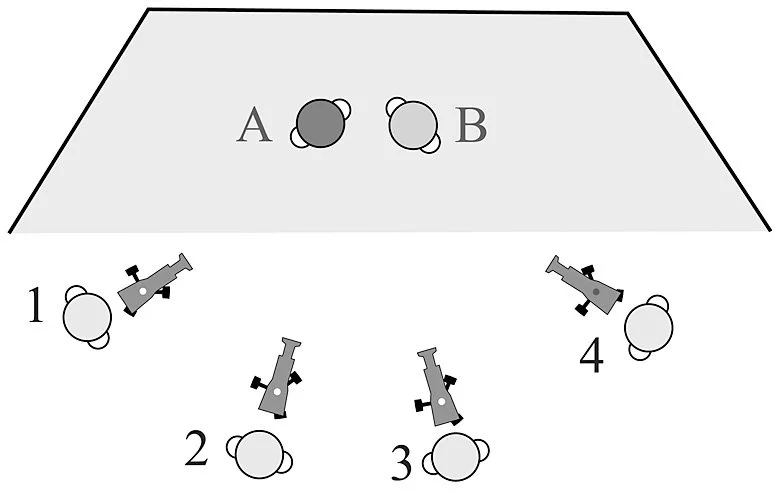
“Dialogue Scenes in the Period of Multiple-Camera Shooting: The Example of Arrowsmith”
Lea Jacobs | in Aesthetics of Early Sound Film: Media Change around 1930 | ed. Daniel Wiegand | Amsterdam University Press, 2023
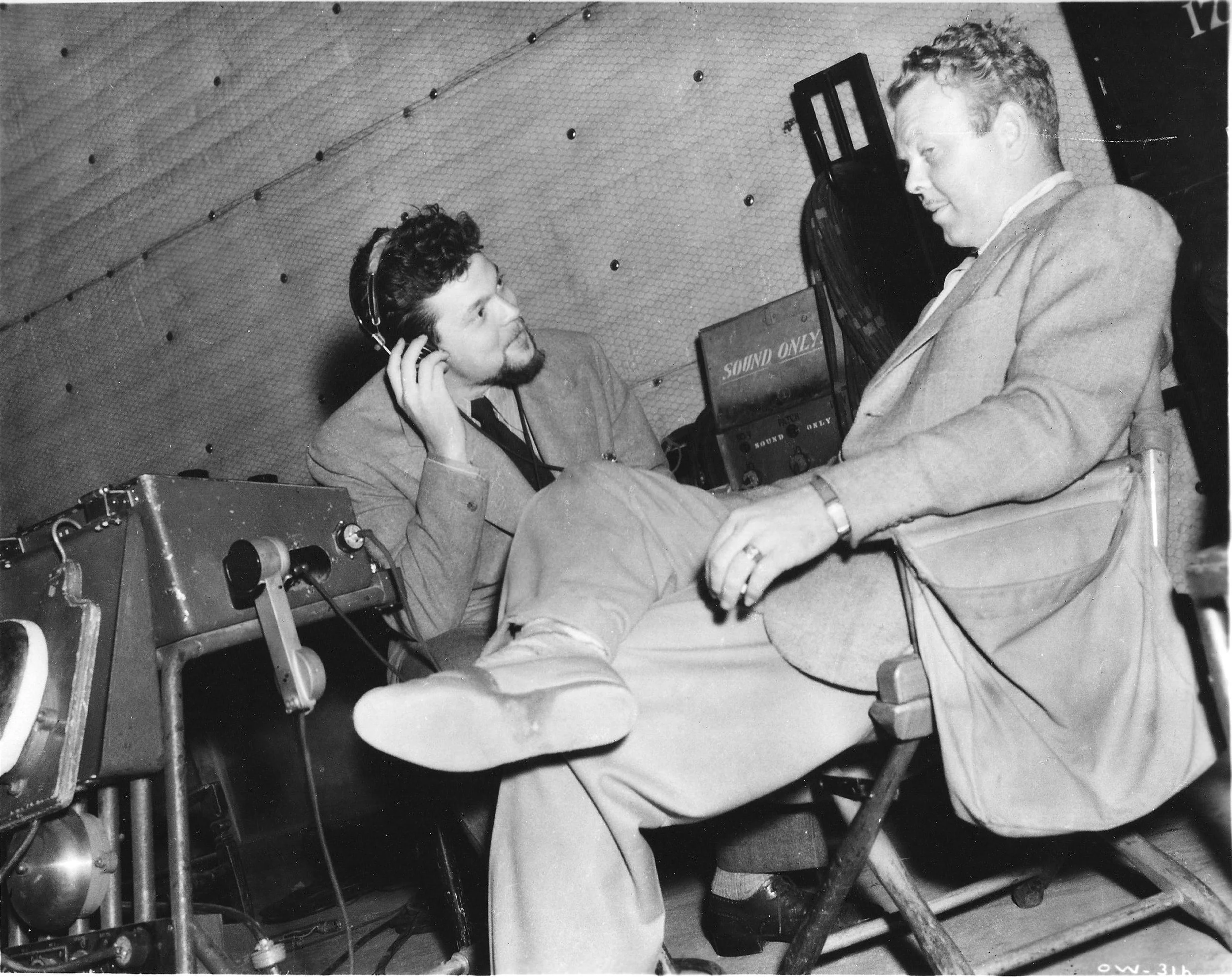
“The Innovation of Re-recording in the Hollywood Studios.”
Lea Jacobs | Film History, vol. 24, no. 1 (2012)
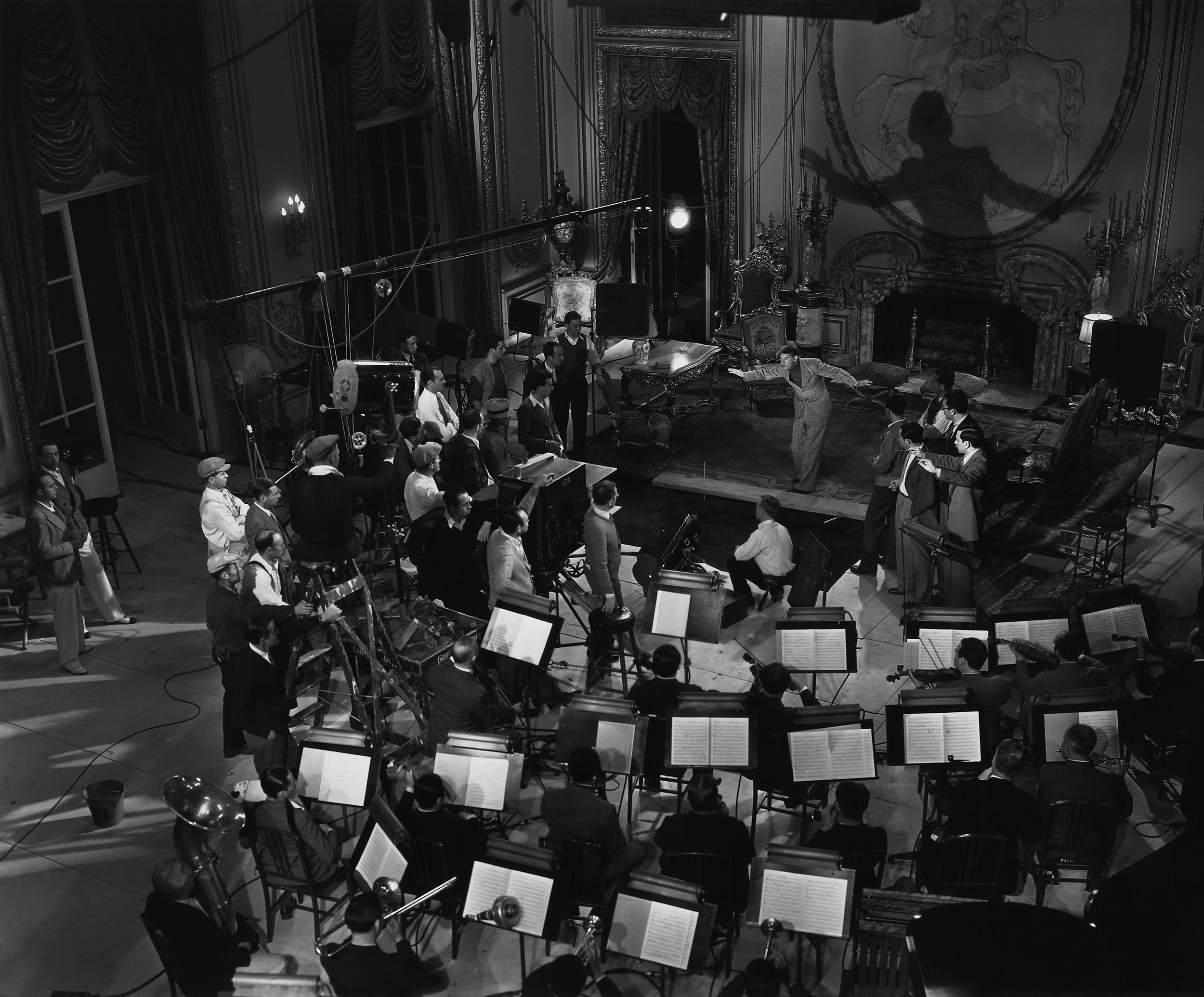
“Love Me Tonight [1932] and Rhythm in Early Sound Film with Lea Jacobs.”
Listen | Devan Scott, podcast | December 26, 2023
ON ANALYZING EDITING AND SOUND
“Digital Tools for Film Analysis”
Lea Jacobs and Kaitlin Fyfe | in The Arclight Guidebook to Media History and the Digital Humanities | ed. Charles R. Acland and Eric Hoyt | Reframe Books, 2016.
“Keeping Up with Hawks”
Lea Jacobs | Style, vol. 32, no. 3 (Fall 1998).
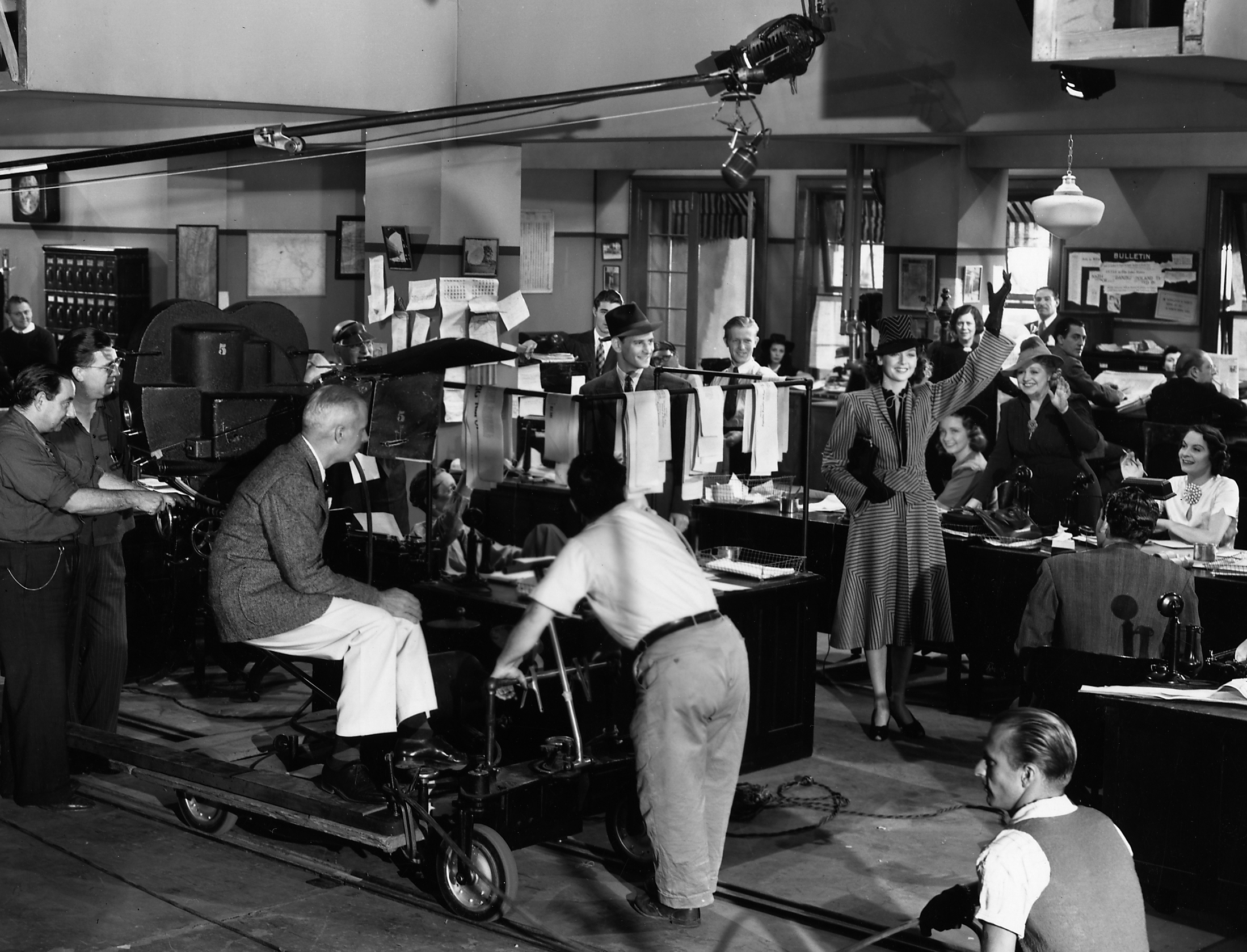
Howard Hawks seated on dolly on the newsroom set of His Girl Friday
ON EISENSTEIN’S USE OF MUSIC
“Rethinking the Sync: Adorno, Eisler and Eisenstein”
Lea Jacobs | new online publication | Download PDF
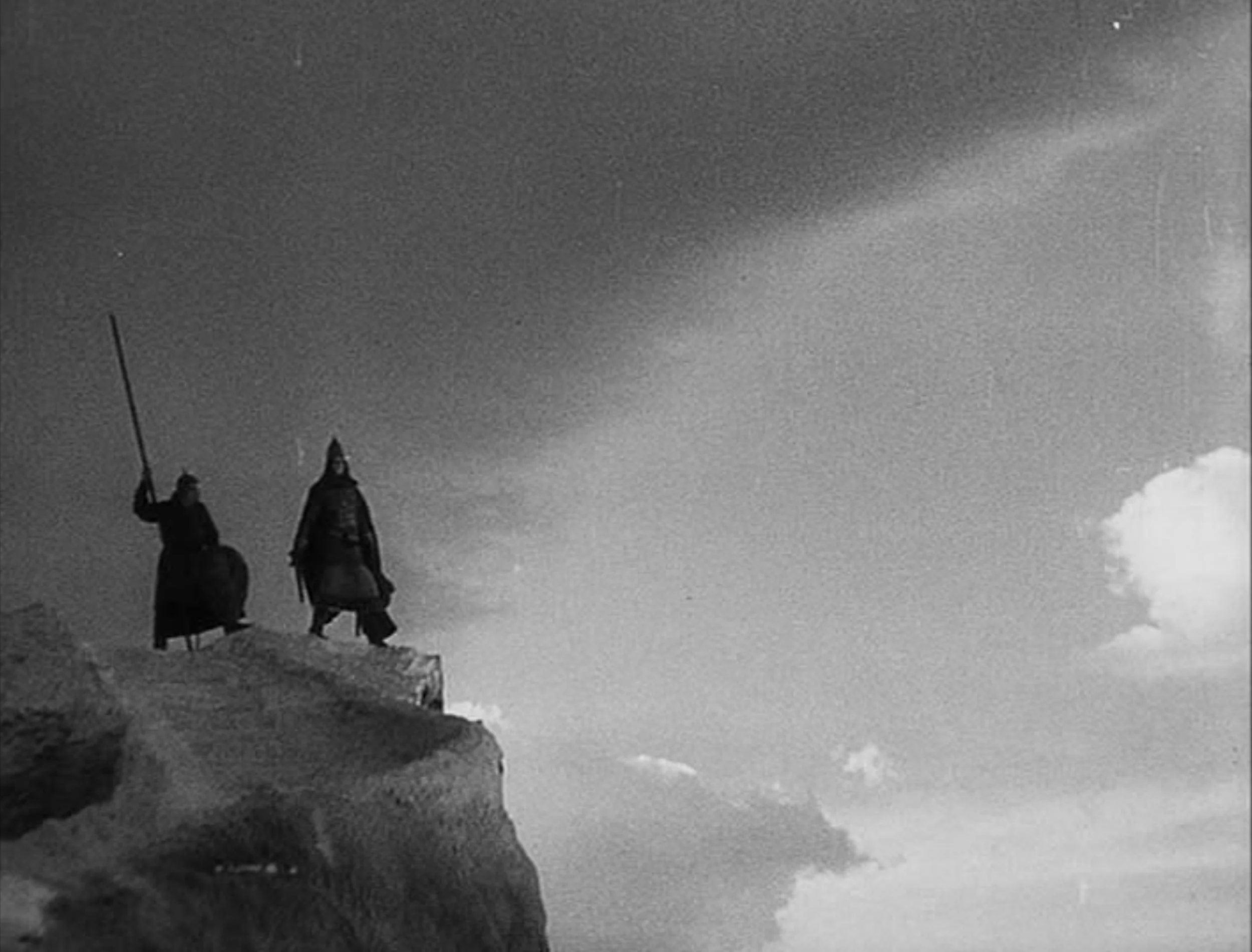
Dawn-before battle sequence from Alexander Nevsky with original audio | Download clip
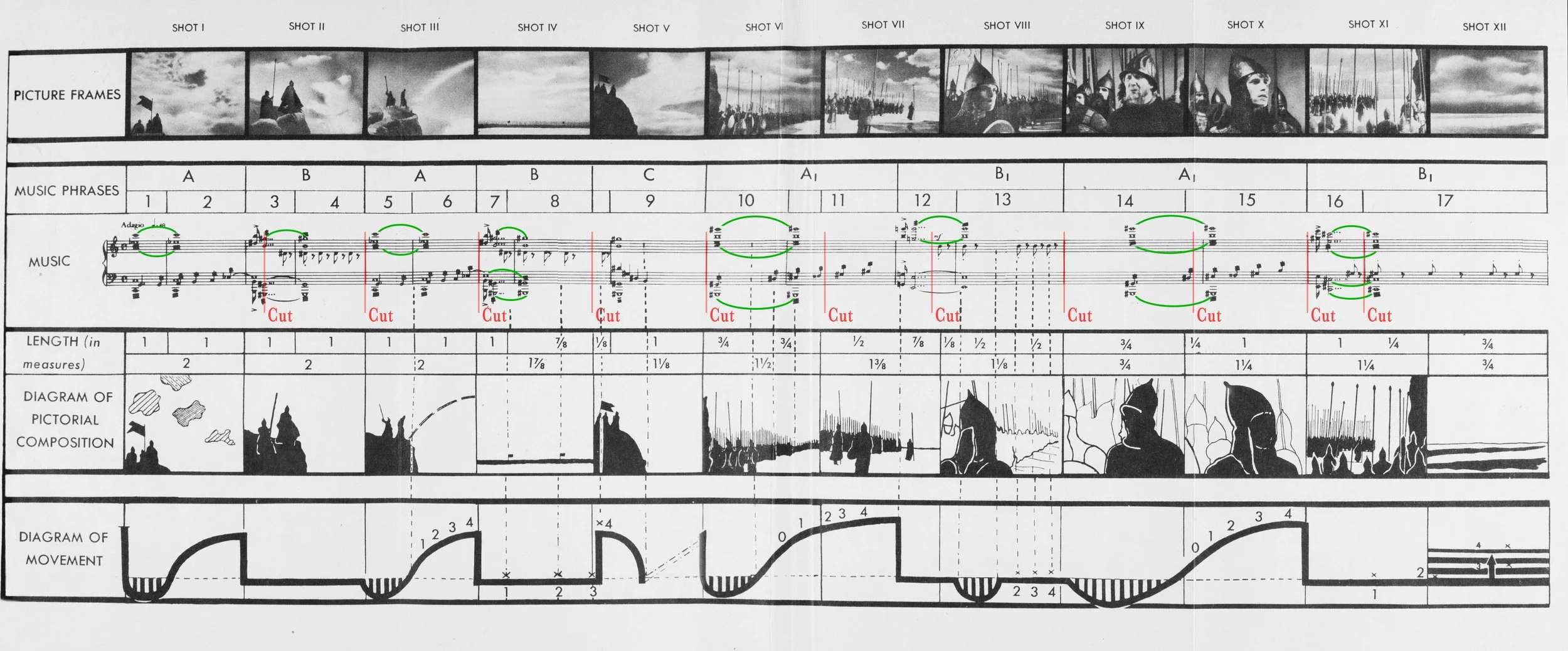
Eisenstein’s chart with additional notations | Download chart
Boris Volsky’s “Memories of Prokofiev”
Translated by Ben Brewster | Download PDF