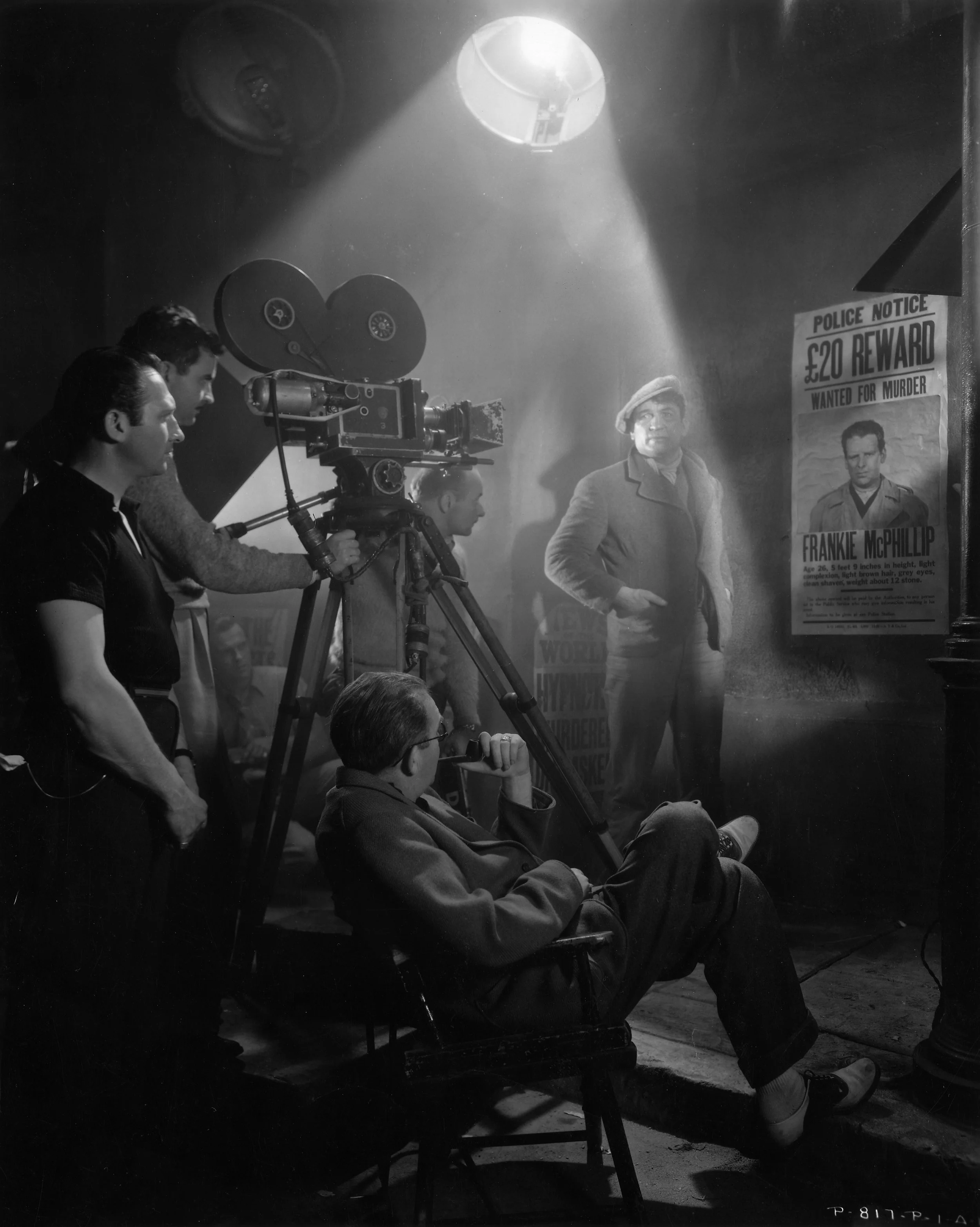
On set filming The Informer, with actor Victor McLaglen standing background center and cinematographer Joe August standing on the left, behind Ford’s chair.
John Ford at Work:
Production Histories 1927-1939
John Ford at Work (John Libbey Publishing/Indiana University Press, 2025) explores the evolution of John Ford’s career in the Hollywood studio system of the 1930s as the system itself changed in response to the coming of sound and the business downturn of the Depression. Based upon a decade of research utilizing the studio files of Twentieth Century-Fox, RKO and Samuel Goldwyn, it delineates the director’s collaborations with the producers, screenwriters, actors and cinematographers that had the most impact on his production practices. It traces the major literary, cinematic and musical sources from which he drew. It considers relevant changes in film technology and seeks to explain how they were incorporated into his style.
Films analyzed include: 4 Sons, The Black Watch, Arrowsmith, Air Mail, The Lost Patrol, The Informer, Judge Priest, Steamboat Round the Bend, The Prisoner of Shark Island, Wee Willie Winkie, Stagecoach and Young Mr. Lincoln. The book is illustrated with 300 black and white photographs, most of them frame enlargements.
Table of Contents and Introduction
Bibliography
Frame Stills from 4 Sons (1927)
-
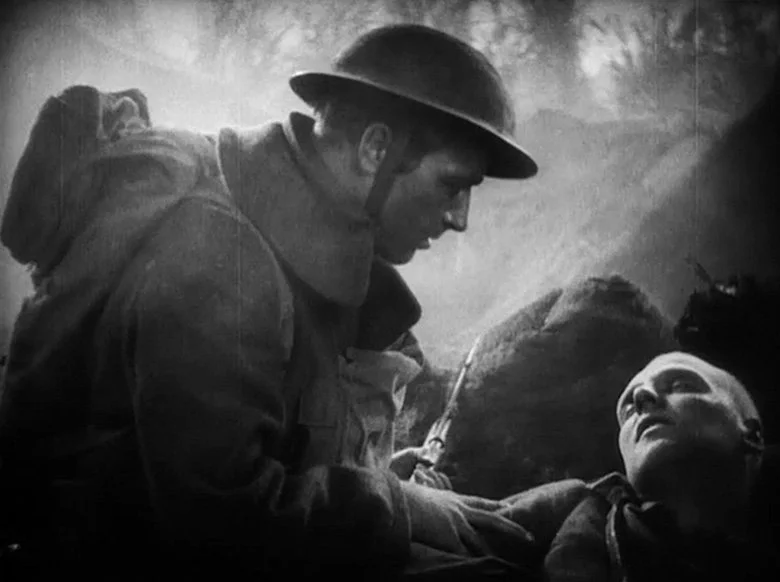
![4 Sons, Four Sons, John Ford. In a single take, Joseph, fighting with the US army in World War I.]()
Frame 1
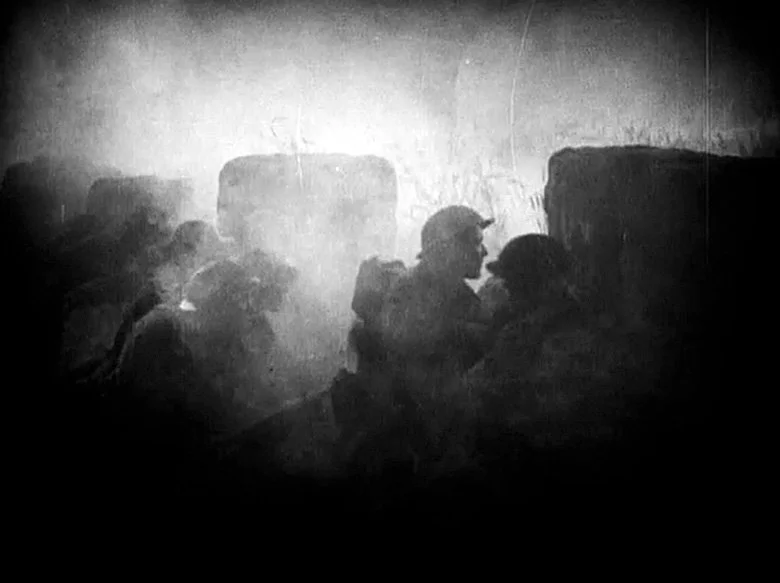
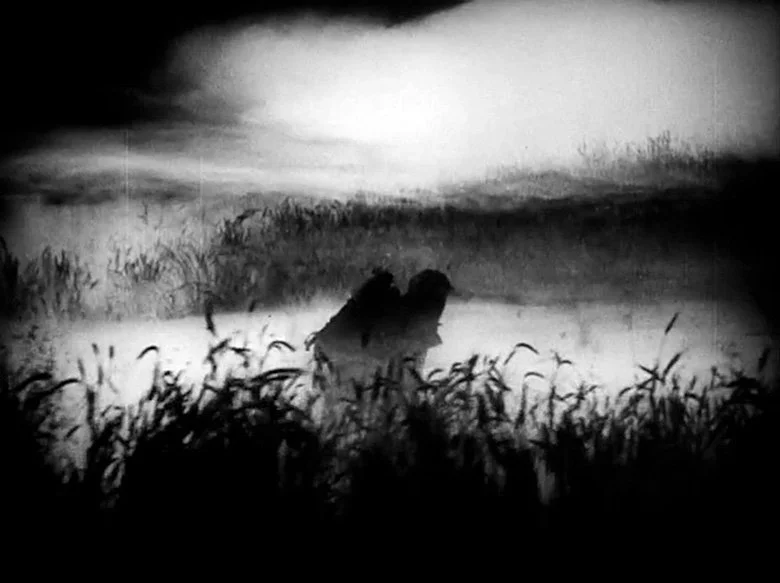
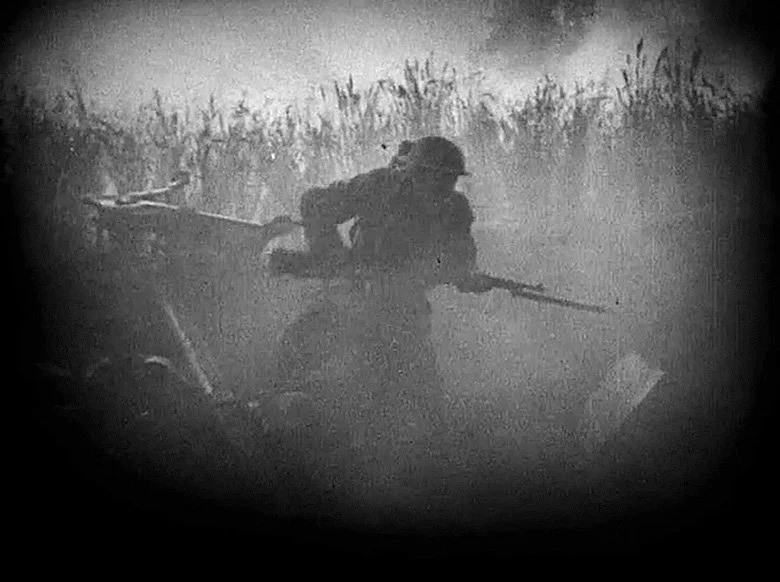
In a single take, Joseph, fighting with the US army in World War I, ventures out of the trenches and behind the German lines in response to the cries of a wounded man (frames 1-3).
-
![4 Sons, John Ford. In a single take, Joseph, fighting with the US army in World War I, ventures out of the trenches and behind the German lines in response to the cries of a wounded man]()
Frame 2
-
![4 Sons, Four Sons, John Ford. In a single take, Joseph, fighting with the US army in World War I, ventures out of the trenches and behind the German lines in response to the cries of a wounded man]()
Frame 3
-
![4 Sons, Four Sons]()
Frame 4
Following a cut, he discovers his youngest brother, who has been drafted by the Imperial Army.
Frame Stills from Young Mr. Lincoln (1939)
-
![Young Mr. Lincoln, Lincoln and Ann Rutledge embark upon a river walk.]()
Frame 1
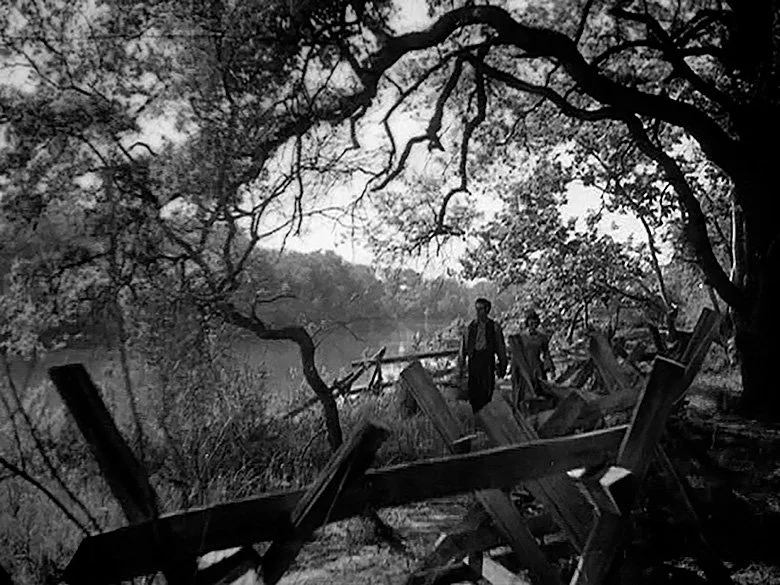
Lincoln and Ann Rutledge embark upon a river walk.
-
![Young Mr. Lincoln, cut in to a medium-long shot which tracks left with them.]()
Frame 2
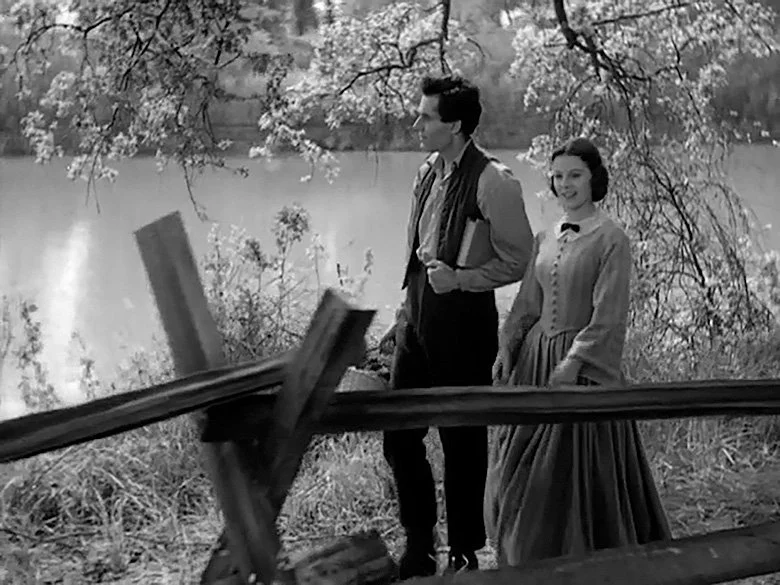
Cut in to a medium-long shot which tracks left with them.
-
![Young Mr. Lincoln, gate.]()
Frame 3
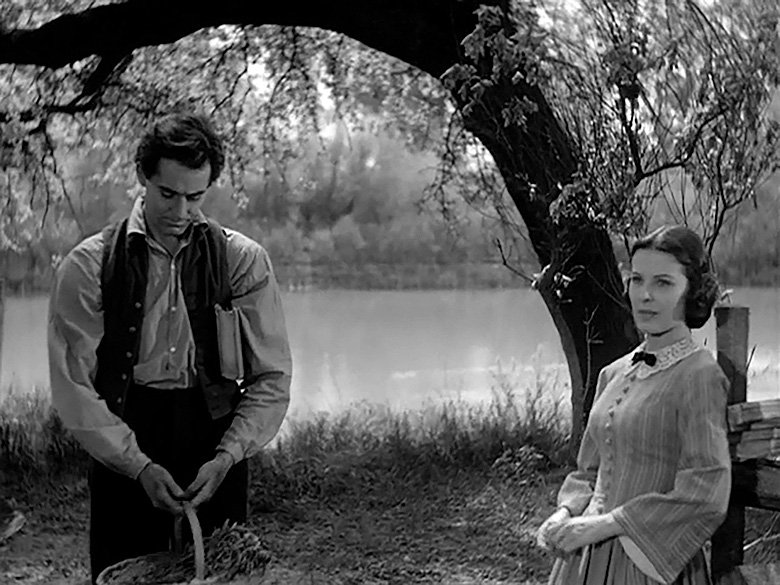
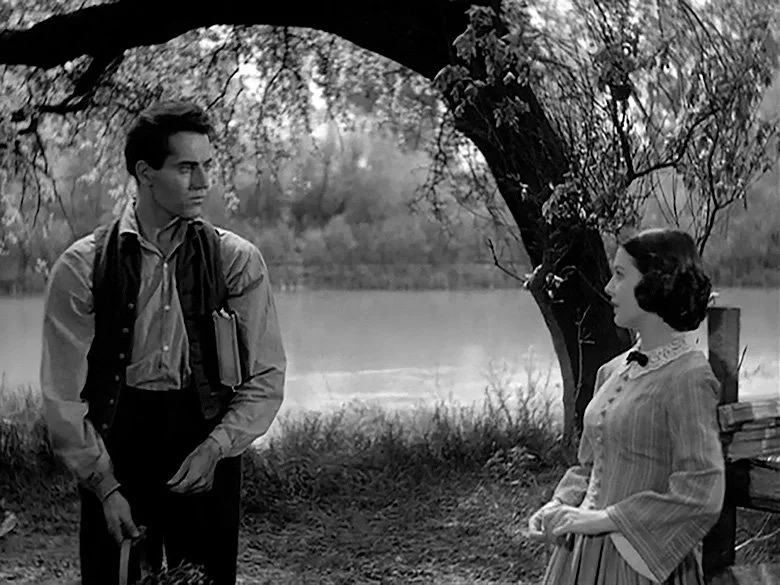
When they stop at the gate there is no cut.
-
![A black-and-white still from a movie showing a young man and woman standing outdoors near a river, under a large tree. The young man holds books and a textbook, and the woman is dressed in vintage clothing with a bow tie, standing near a bench with stacked books.]()
Frame 4
-
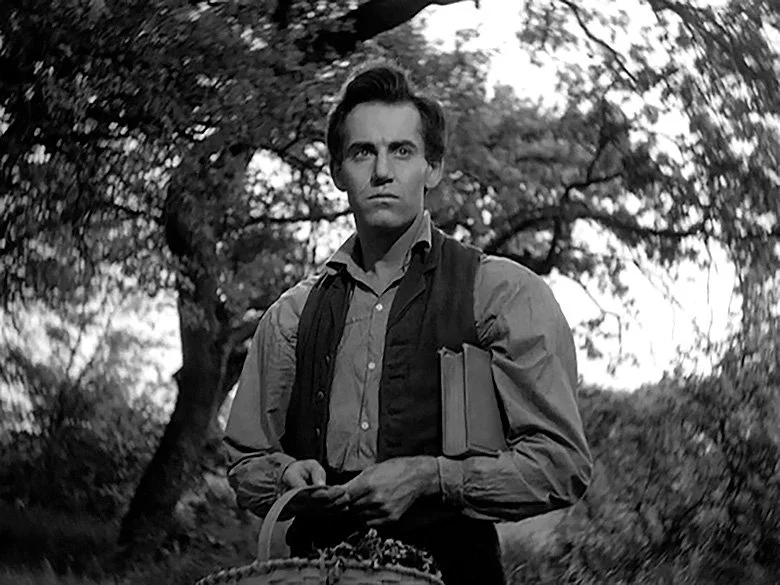
![Young Mr. Lincoln, Cut in to Lincoln, for his response to Ann’s rueful plaint: “Some men don’t like red hair.”.]()
Frame 5
Cut in to Lincoln, for his response to Ann’s rueful plaint: “Some men don’t like red hair.”.
“December 7th, The Battle of Midway,
and John Ford’s Career in the OSS,”
Lea Jacobs | Film History, vol. 32, no. 1 (2020)
RELATED ARTICLES
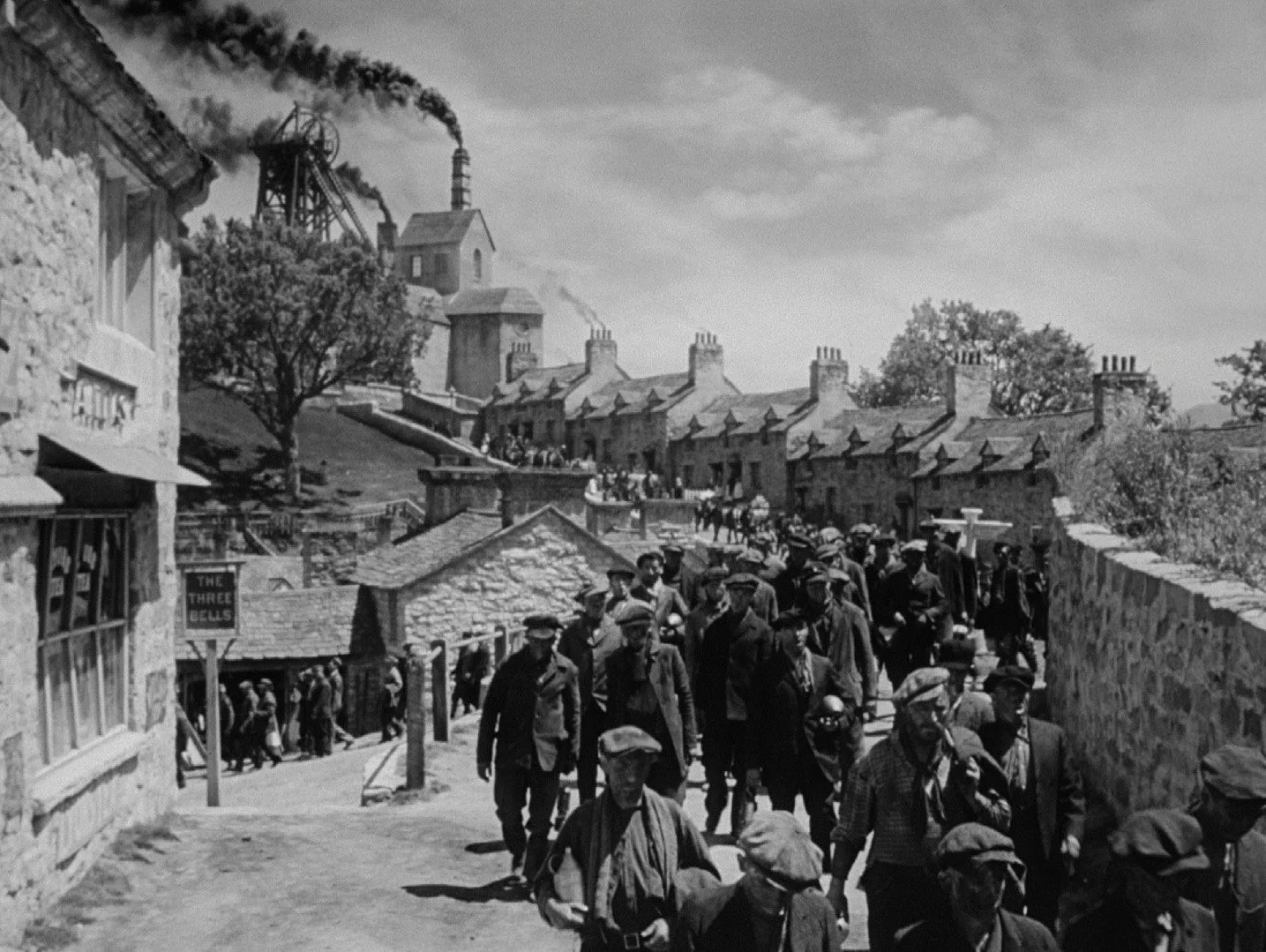
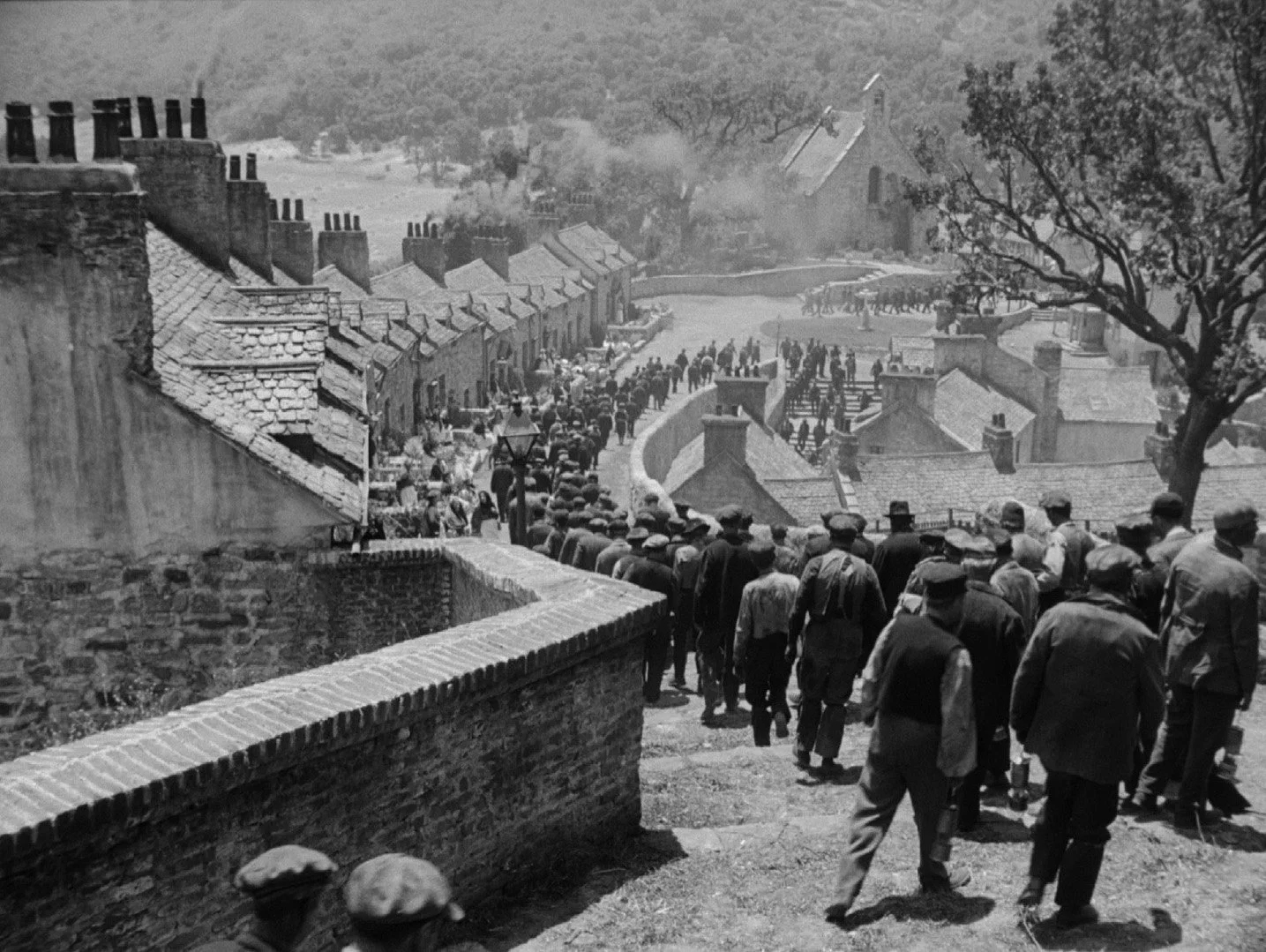
Frame stills illustrating the exterior valley set for How Green Was My Valley (1941).
“Making John Ford’s How Green Was My Valley”
Lea Jacobs | Film History, vol. 28,
no. 2 (2016)
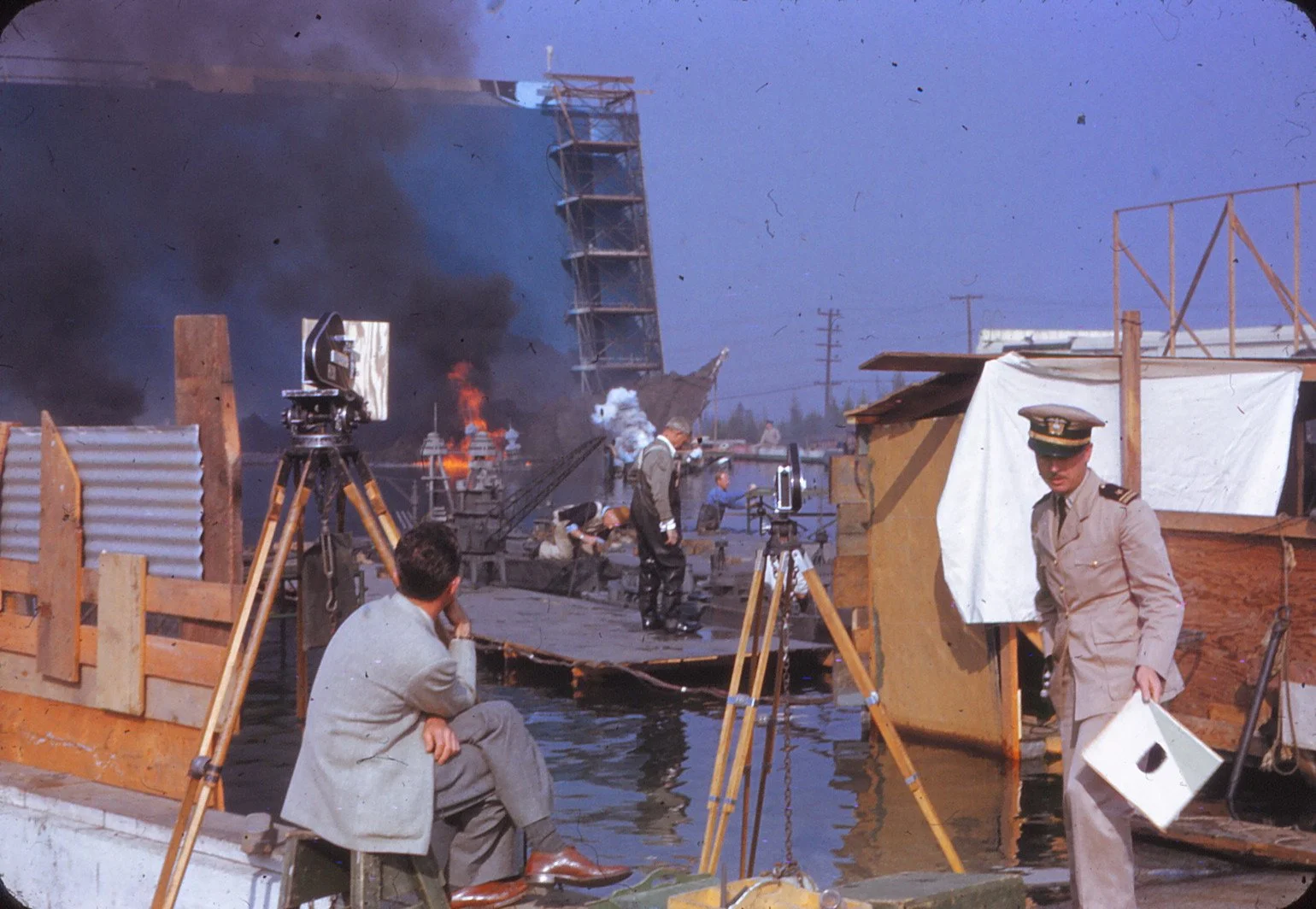
Production still from the OSS documentary December 7th taken at the Twentieth Century-Fox tank. Director Gregg Toland, in uniform, is on the right. Technicians work on miniature destroyers amid fire and smoke effects with the painted backdrop noticeable on the left.
PLANS FOR VOLUME 2
Research is ongoing for John Ford at Work: Production Histories 1940–1952. This study begins with the formation of John Ford and Merian C. Cooper’s independent production company, Argosy, in 1939. It concludes with Argosy’s dissolution in 1953. While all of the Argosy films, beginning with The Long Voyage Home (1940), will be discussed, the book will also necessarily consider Ford’s important work for Twentieth Century-Fox and other studios in this period. The war years will be covered with particular attention to what may be Ford’s best film, They Were Expendable (1945, MGM).
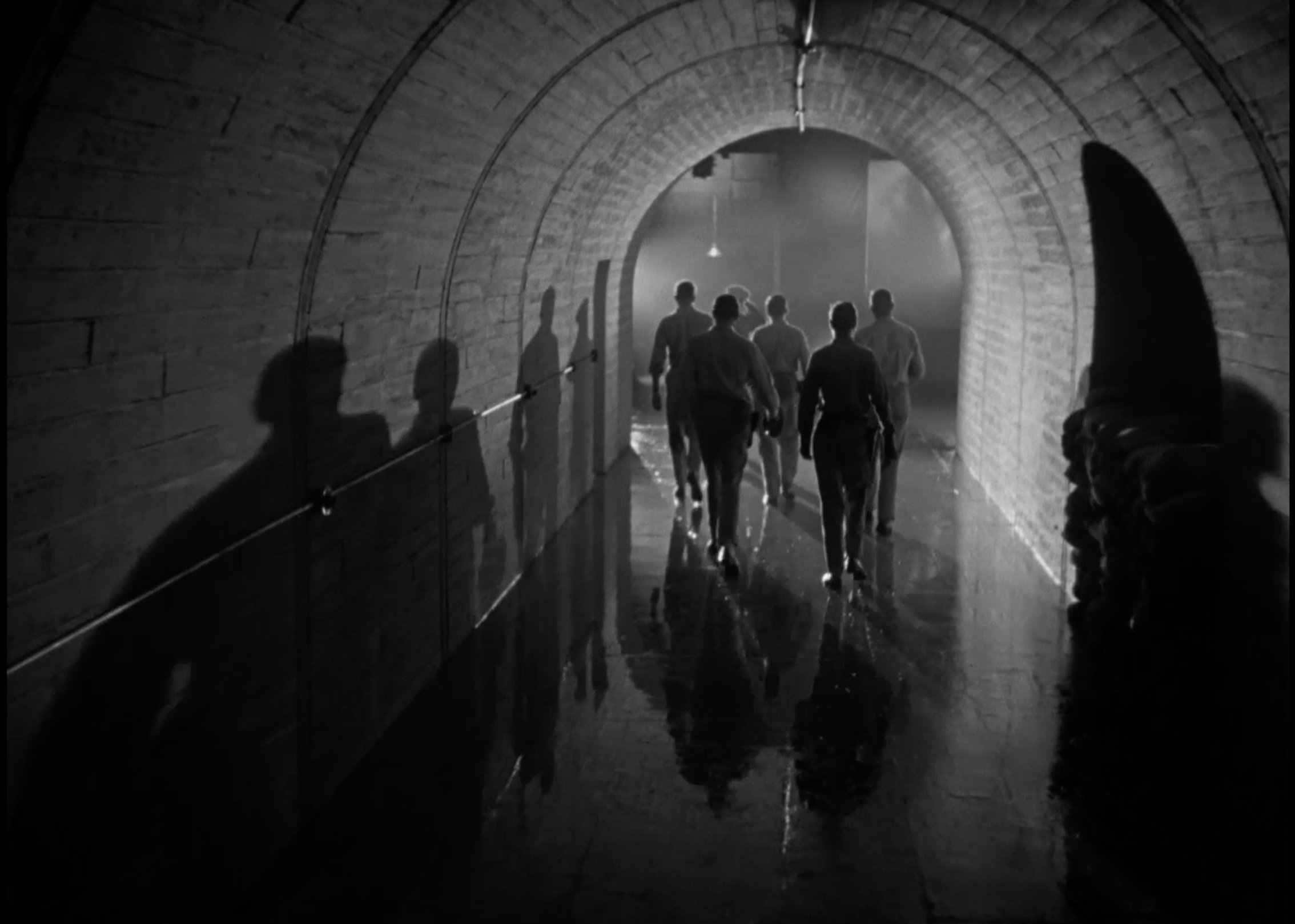
Frame still from They Were Expendable (1945)