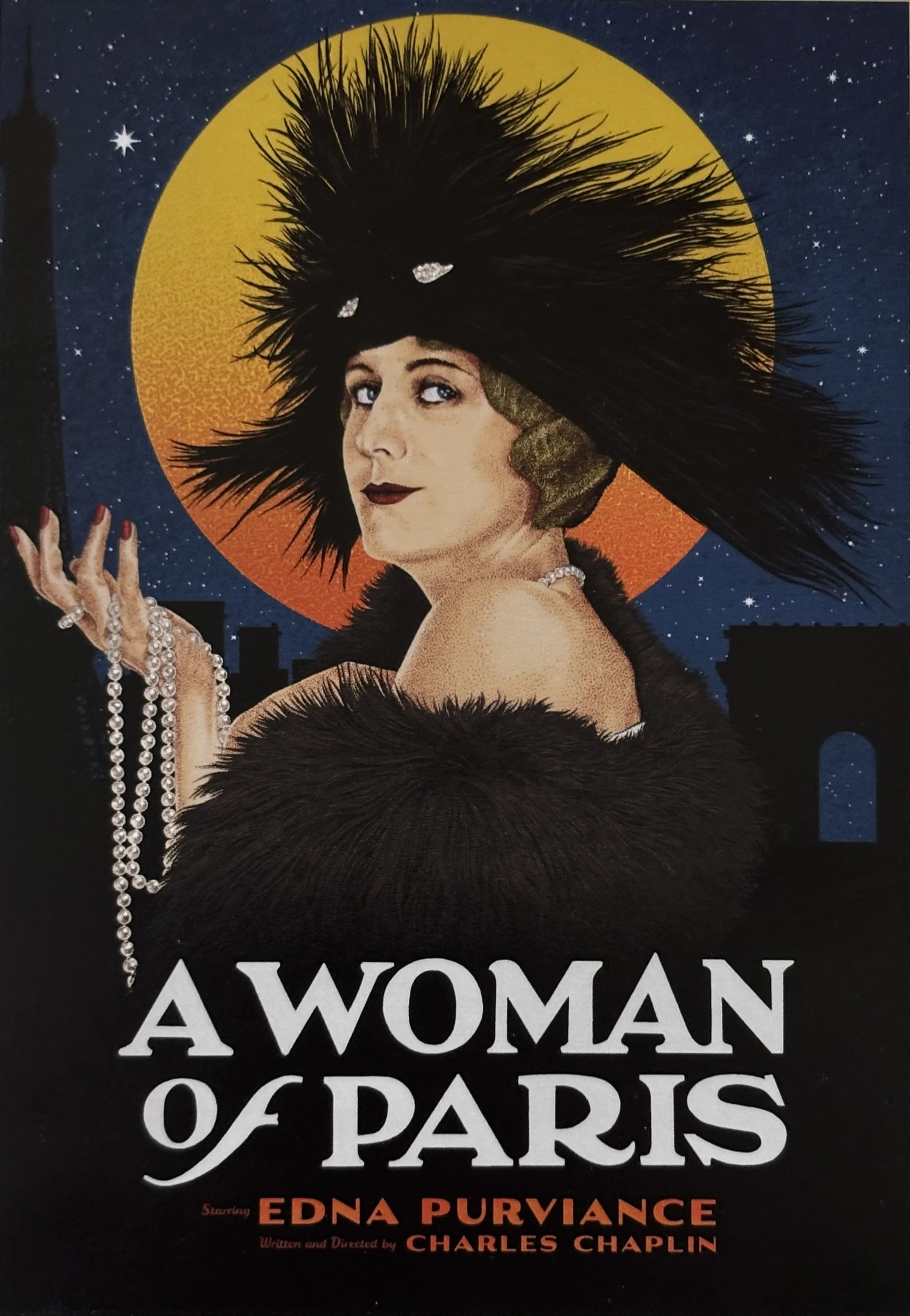
The Decline of Sentiment:
American Film in the 1920s
The Decline of Sentiment (University of California Press, 2008) seeks to characterize the radical shifts in taste that transformed American film in the jazz age. Based upon extensive research in the trade papers and the popular press of the day, Lea Jacobs documents the films and film genres that were considered old-fashioned, as well as those dubbed innovative and up-to-date, and looks closely at the works of filmmakers such as Erich von Stroheim, Charlie Chaplin, Ernst Lubitsch and Monta Bell. Her analysis—focusing on the influence of literary naturalism on the cinema, the emergence of sophisticated comedy, and the progressive alteration of the male adventure story and the seduction plot—is a comprehensive account of the modernization of classical Hollywood film style and narrative form.
Table of Contents
Bibliography and Filmography
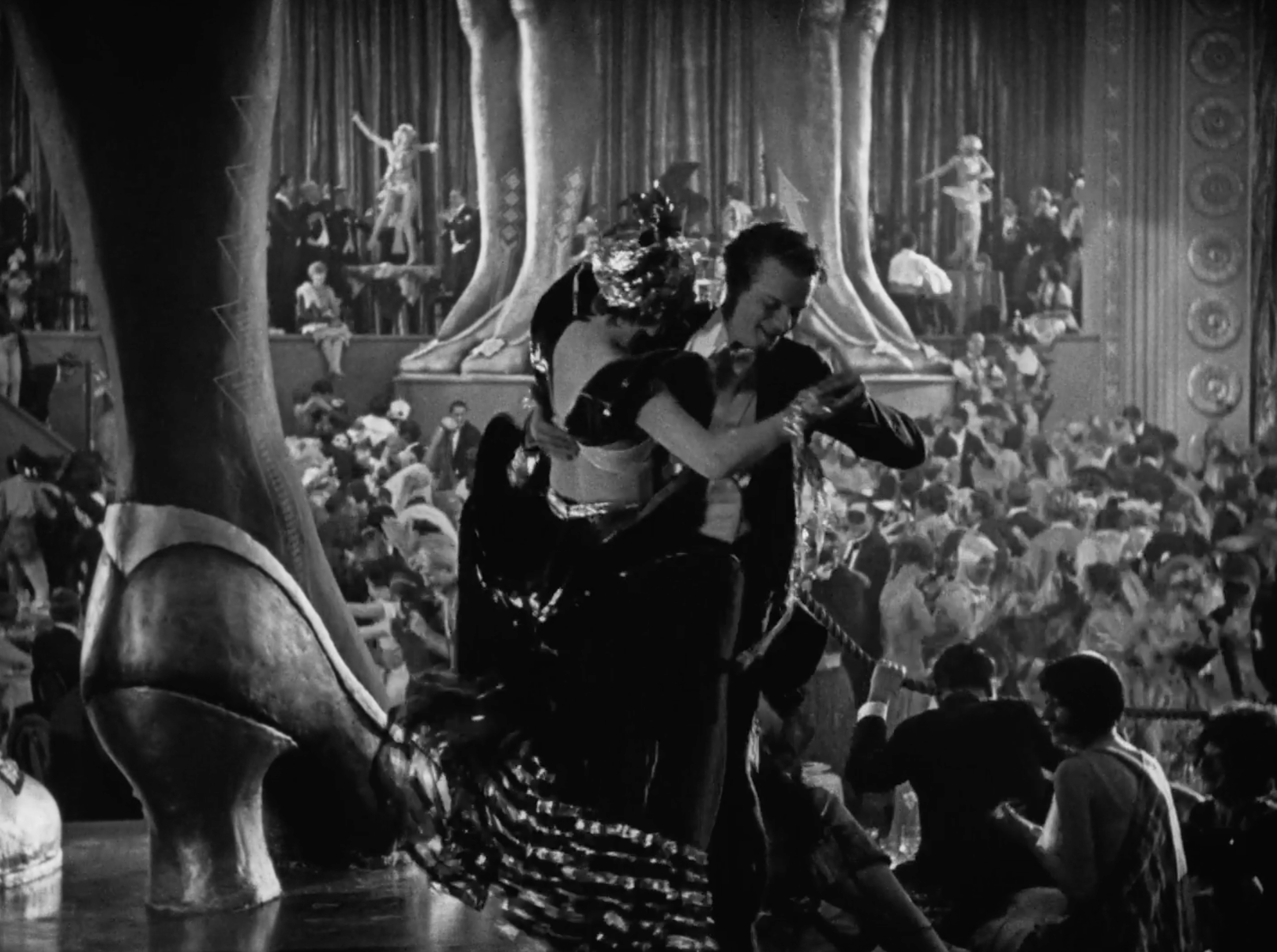
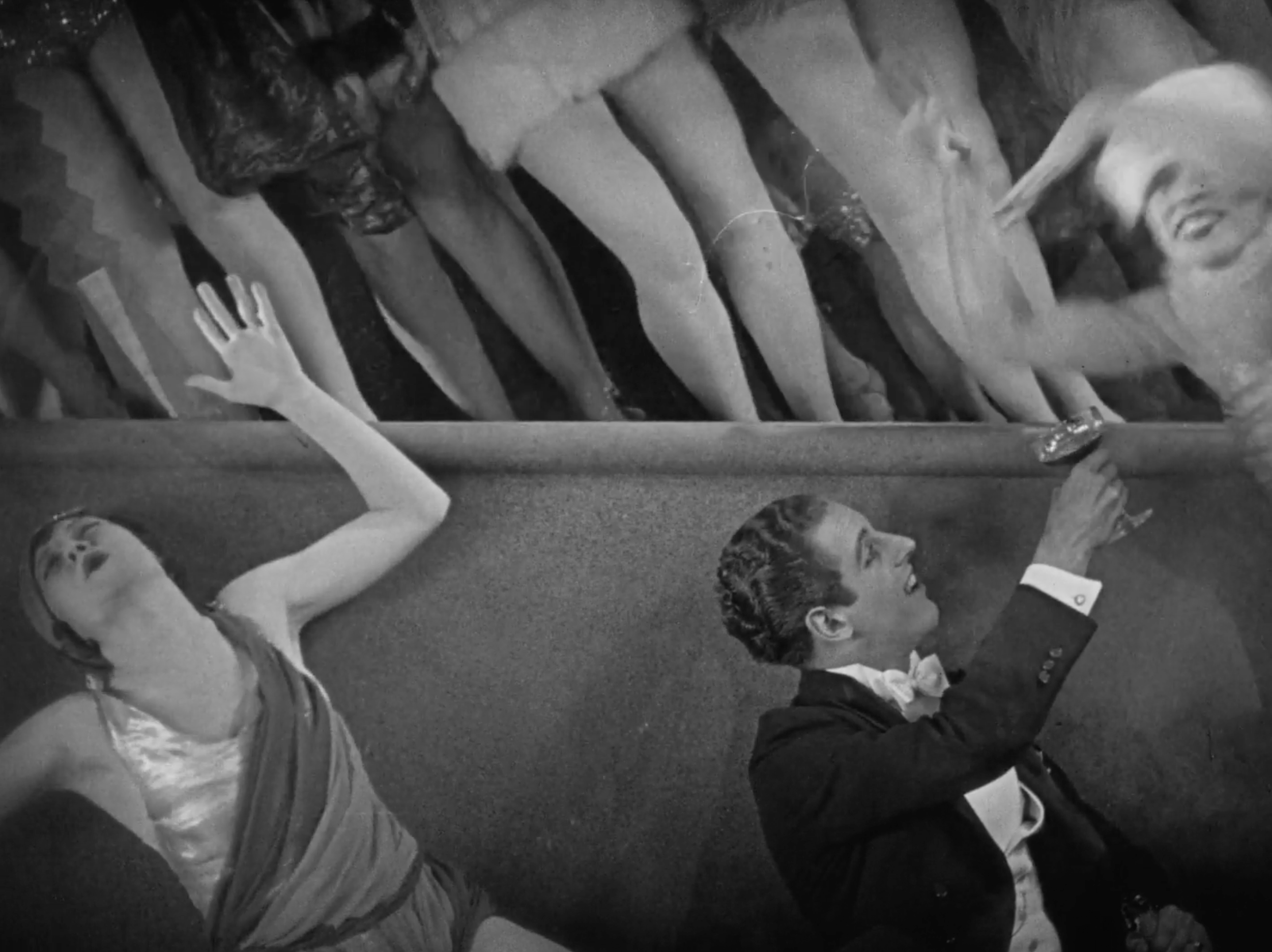
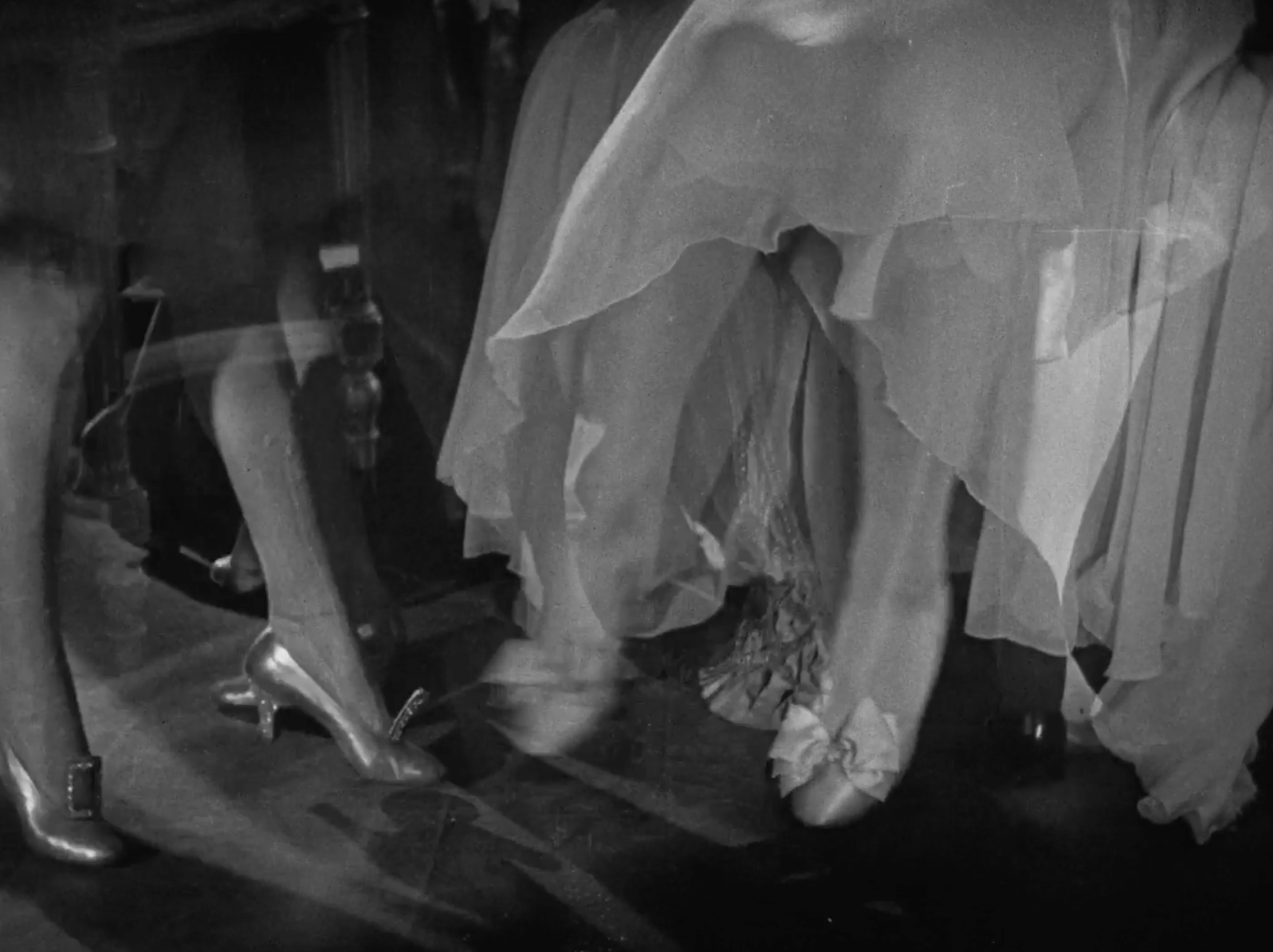
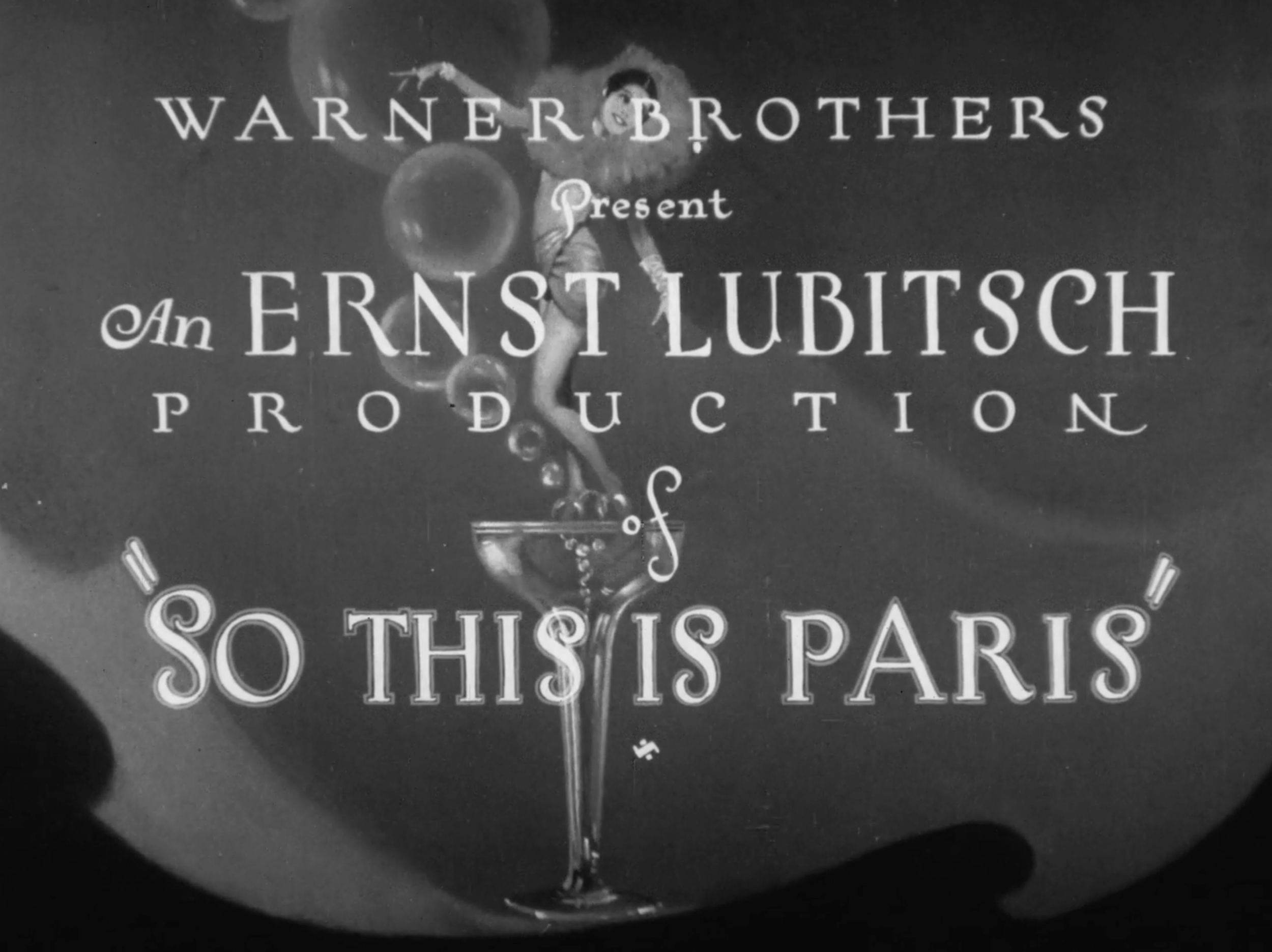
The Artists’ Ball in So This is Paris (Ernst Lubitsch, 1926)
“The Decline of Sentiment pinpoints a moment during which filmmakers introduced not only new attitudes but new techniques with which to express them—techniques that favored understatement and economy of expression over melodrama. The legacy of Chaplin, Lubitsch and the lesser known Monta Bell continues to affect films and the way we read them today, making Lea Jacobs’ formidable achievement all the more valuable and fascinating.”
— Jim Hemphill, American
Cinematographer Magazine
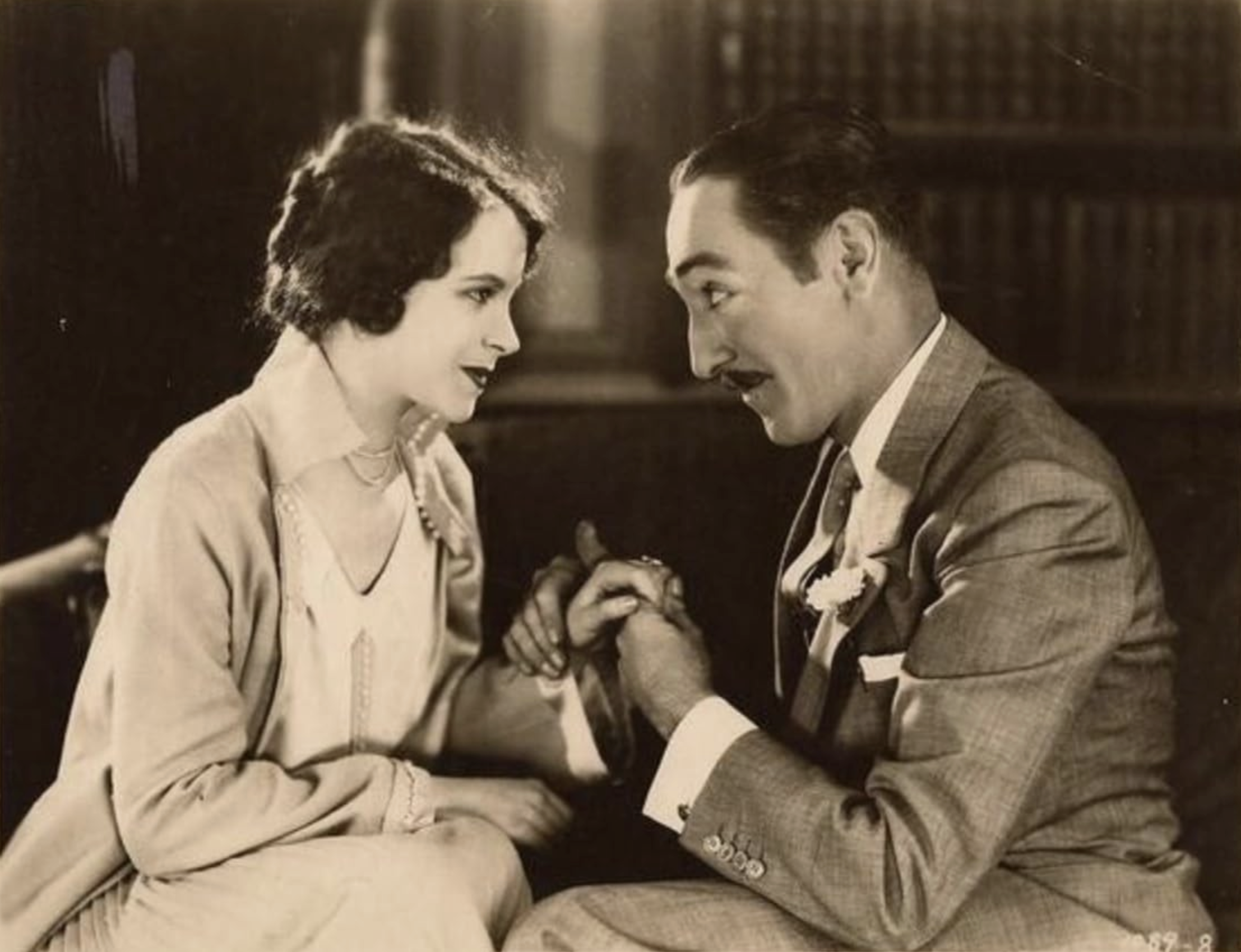
Production still for A Gentleman of Paris (Harry d’Abbadie d’Arrast, 1927)
RELATED WORK
“John Stahl: Melodrama, Modernism and the Problem of Naïve Taste.”
Lea Jacobs | Modernism/Modernity, vol. 19, no. 2 (April 2012).
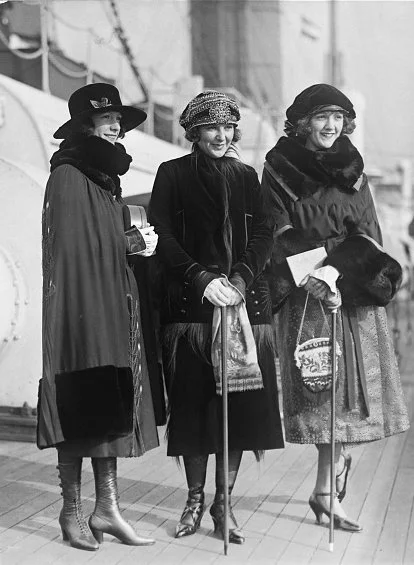
“The Talmadge Sisters” in Idols of Modernity: Movie Stars of the 1920s
Lea Jacobs | ed. Patrice Petro | Rutgers University Press, 2010.
“Unsophisticated Lady: The Vicissitudes of the Maternal Melodrama in Hollywood”
Lea Jacobs | Modernism/Modernity vol. 16, no. 1 (January 2008).
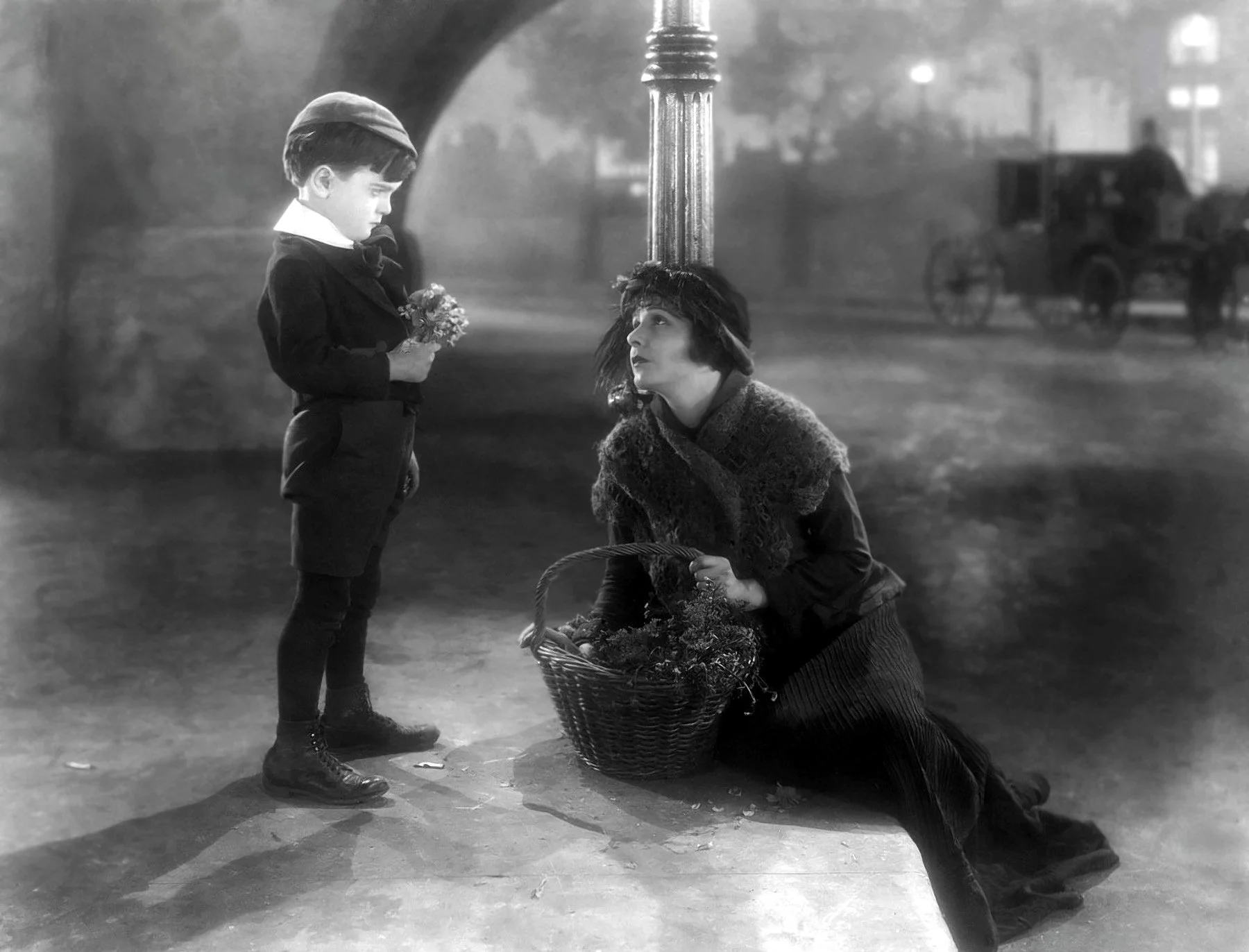
Publicity photo for The Lady (1925, Frank Borzage).
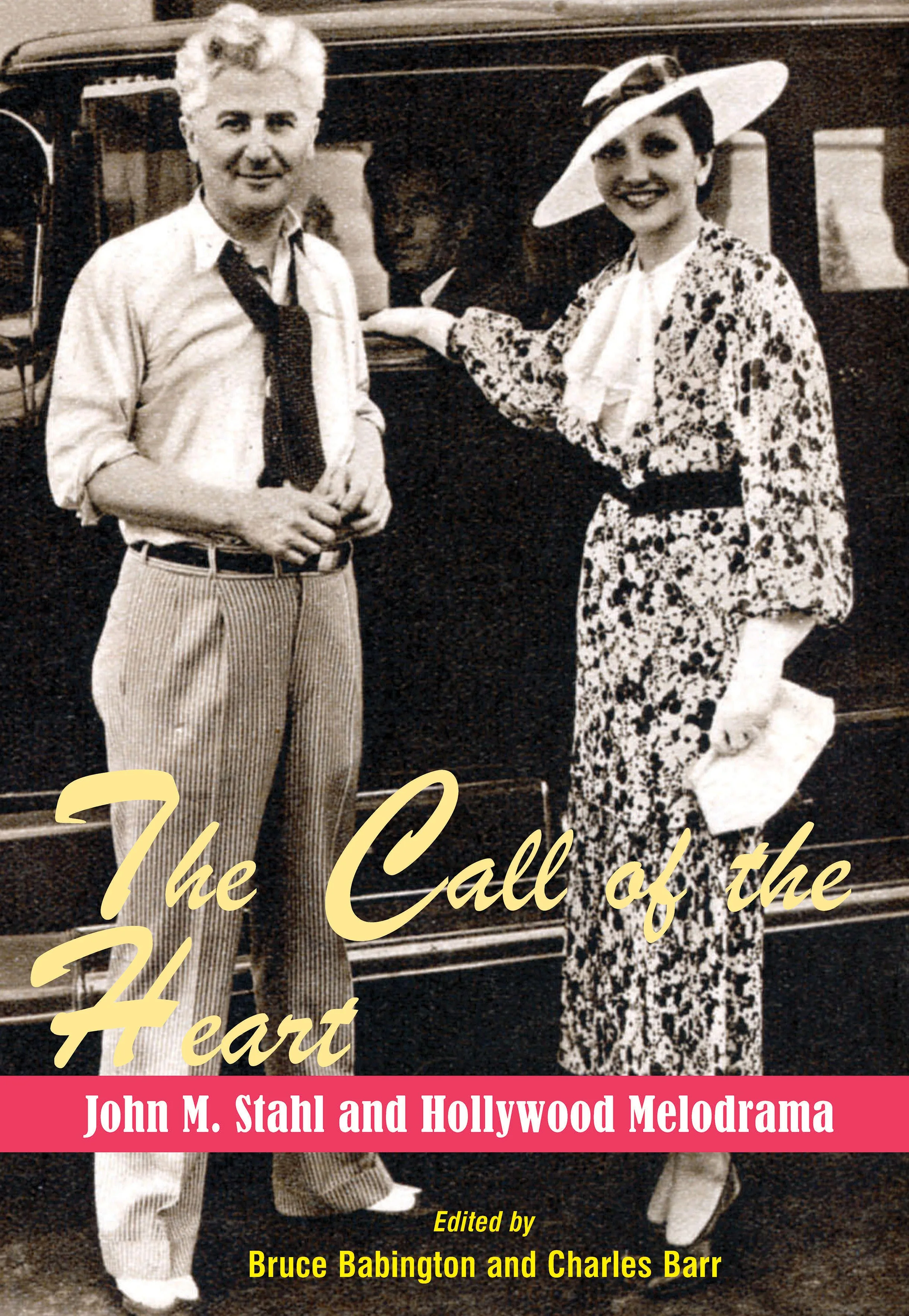
The Call of the Heart: John M. Stahl and Hollywood Melodrama
Lea Jacobs | Entries on Sowing the Wind, The Child Thou Gavest Me, One Clear Call, Memory Lane, and Back Street
ed. Bruce Babington and Charles Barr | John Libbey/Indiana University Press, 2018.
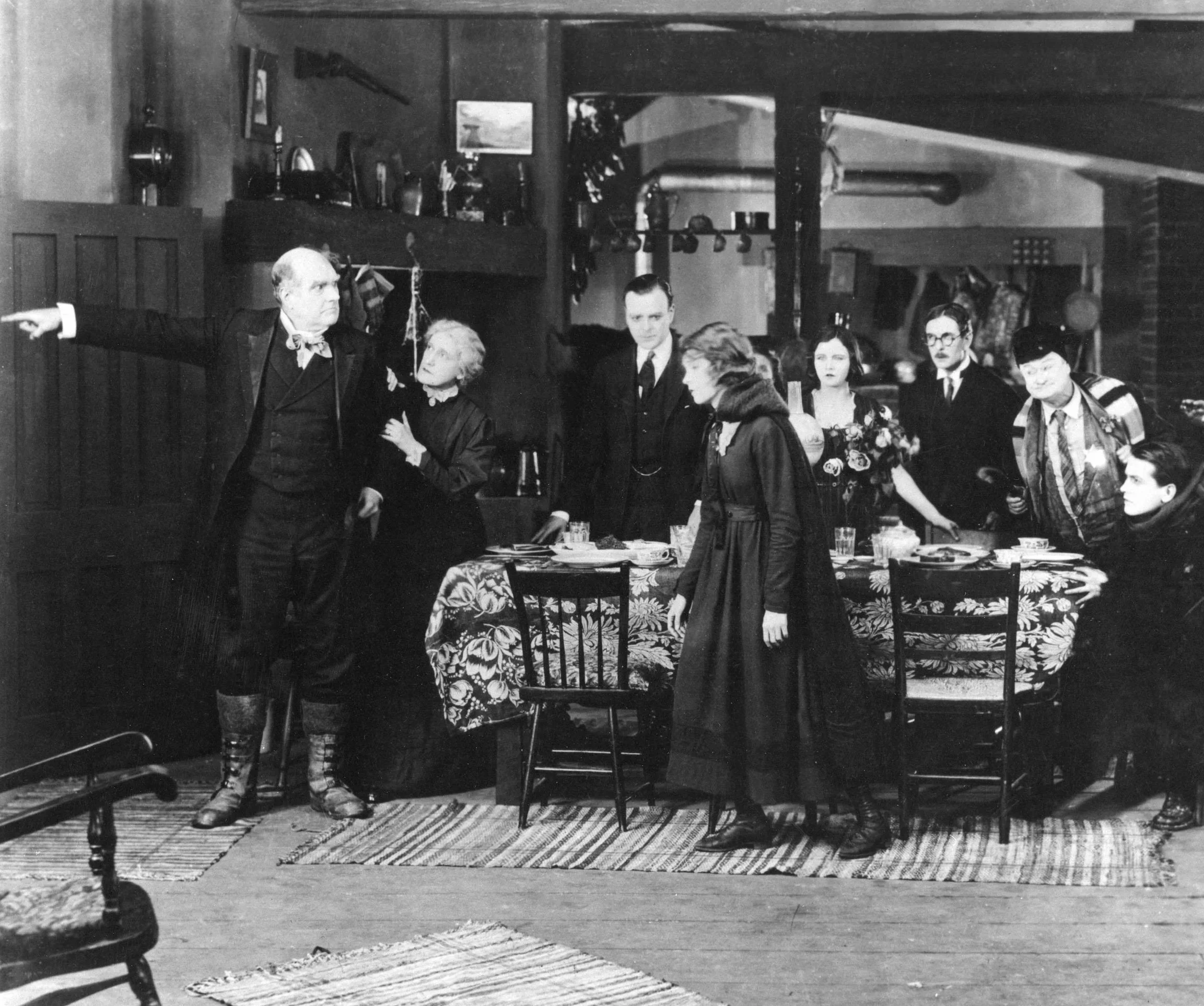
“Way Down East,” in The Griffith Project, vol. 10
Lea Jacobs | ed. Paolo Cherchi Usai | British Film Institute, 2006.
In this issue: Ben Brewster | “The Circle: Lubitsch and the Theatrical Farce Tradition”
ON SOPHISTICATED COMEDY
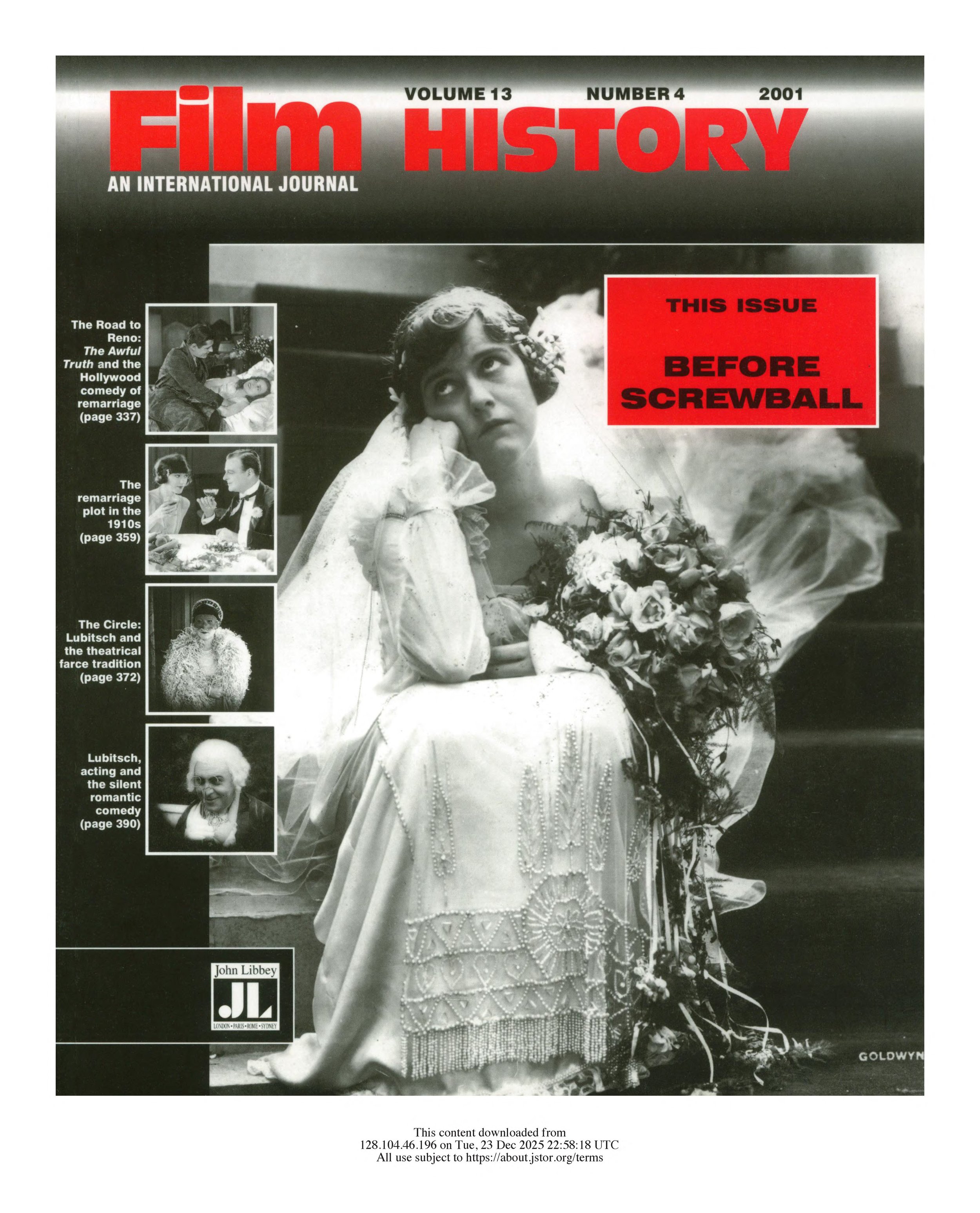
“Before Screwball”
Edited by Lea Jacobs | Special issue of Film History, vol. 13, no. 4 (2001).
Table of Contents and Introduction
Ernst Lubitsch
Ben Brewster and Lea Jacobs | Oxford Bibliographies in Cinema and Media Studies | digital resource published by Oxford University Press.
ON HOLLYWOOD AUDIENCES
The B Film and the Problem of Cultural Distinction
Lea Jacobs | Screen, vol. 33, no. 1 (Spring 1992).
Hollywood’s Conception of its Audience in the 1920s
Lea Jacobs and Andrea Comiskey | Classical Hollywood Reader, ed. Steve Neale (New York: Routledge, 2012).
ACCESSING 1920s FILMS ON DISK
Many of the films discussed in The Decline of Sentiment were initially quite hard to see except in archival prints. Several important titles have since been released on disk. One can check the quality of the titles listed below, and many other silent films released for home video, at silentera.com.
The Austrian Film Museum has released this beautiful edition of The Salvation Hunters (Josef von Sternberg, 1925).
The Criterion Collection has released the all-important A Woman of Paris. Their invaluable set 3 Silent Classics by Josef von Sternberg includes The Docks of New York (1928) which retains some of the Antonioni-esque dimensions of The Salvation Hunters.
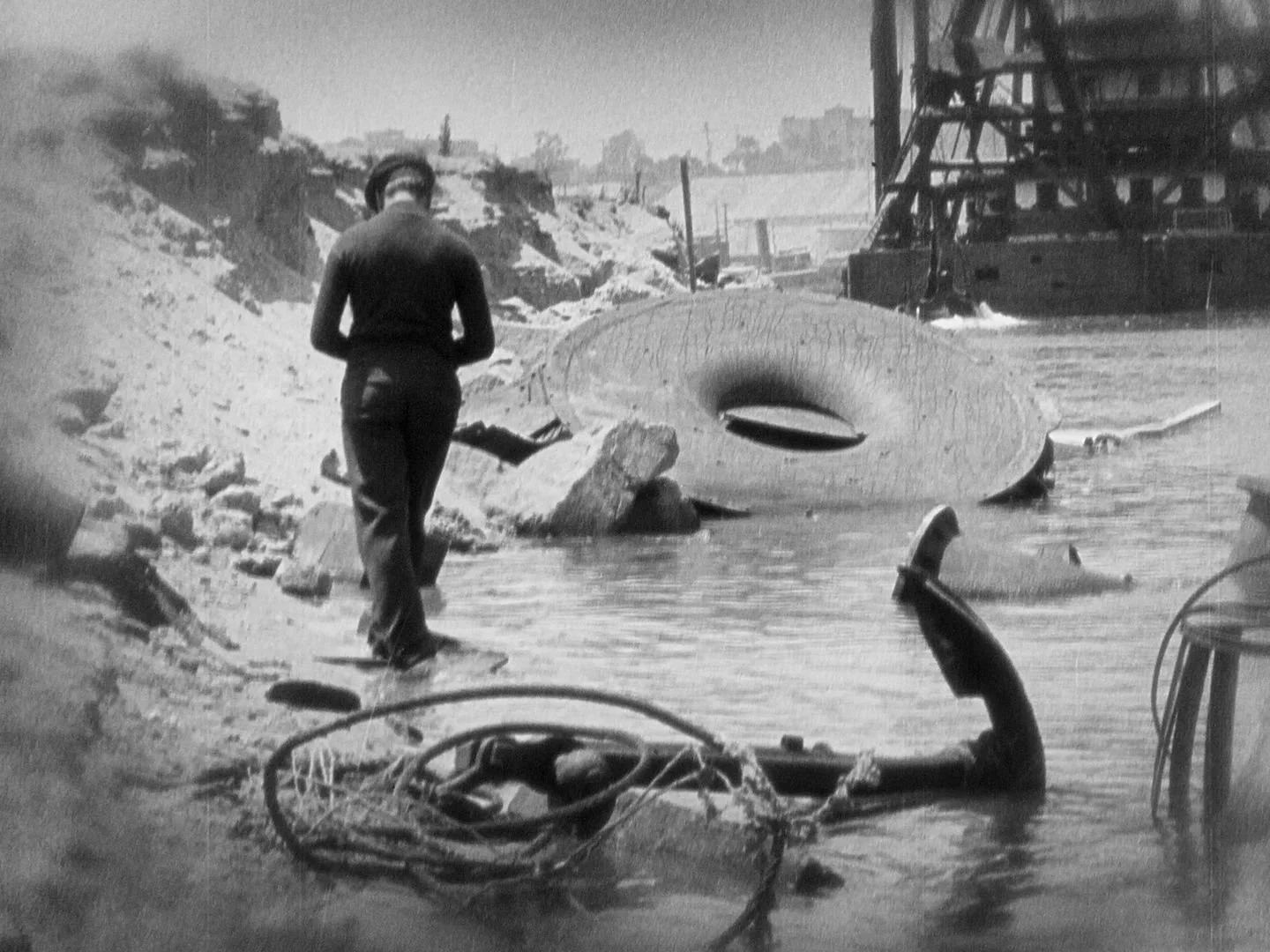
From The Salvation Hunters
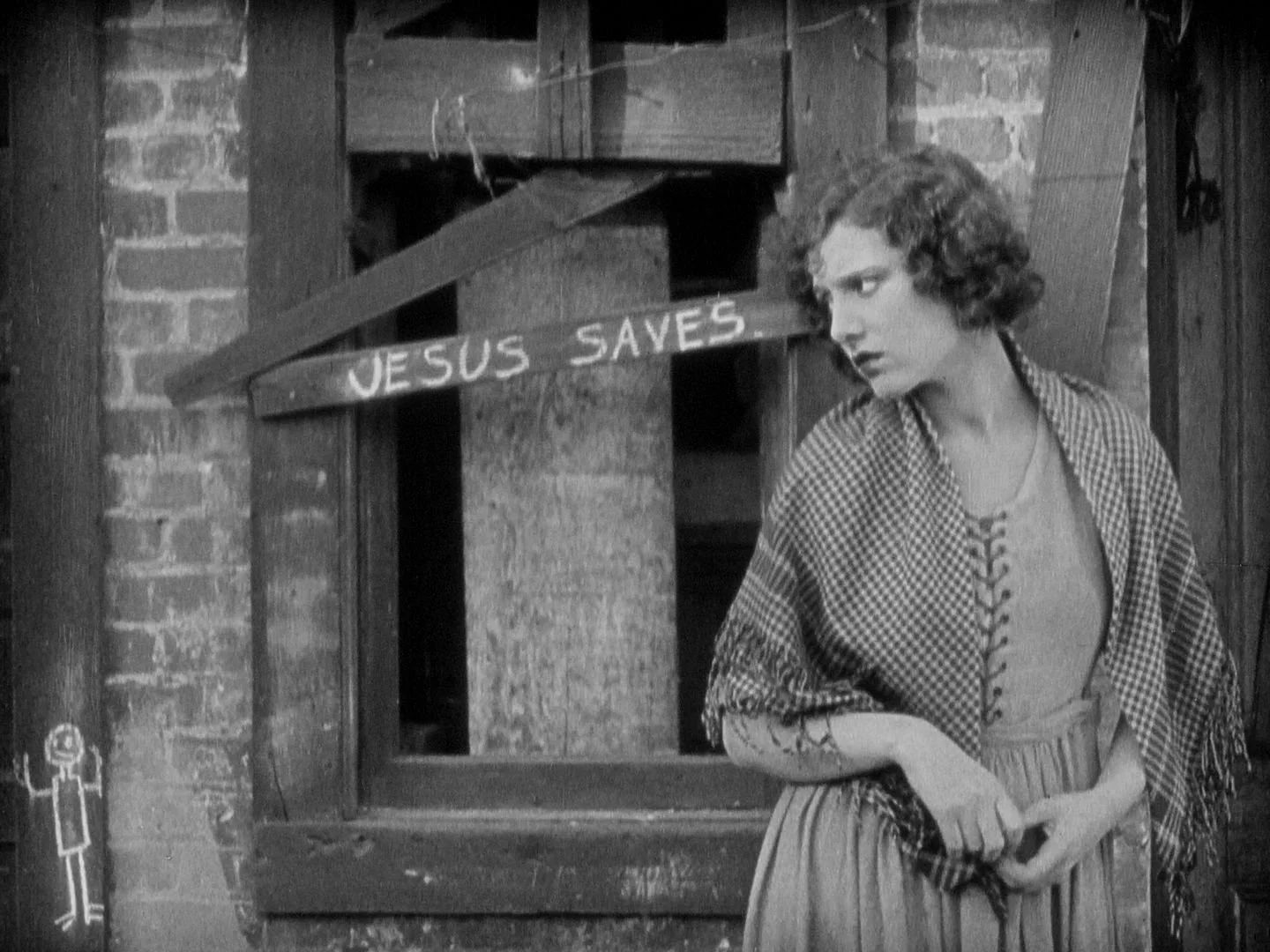
From The Salvation Hunters.
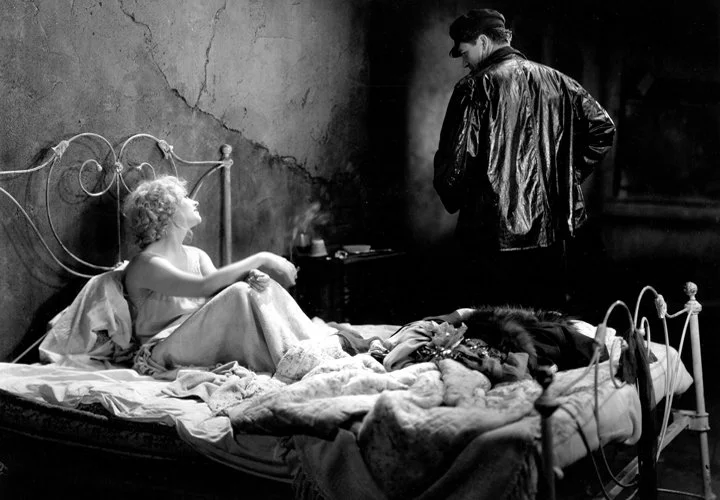
Publicity still from The Docks of New York.
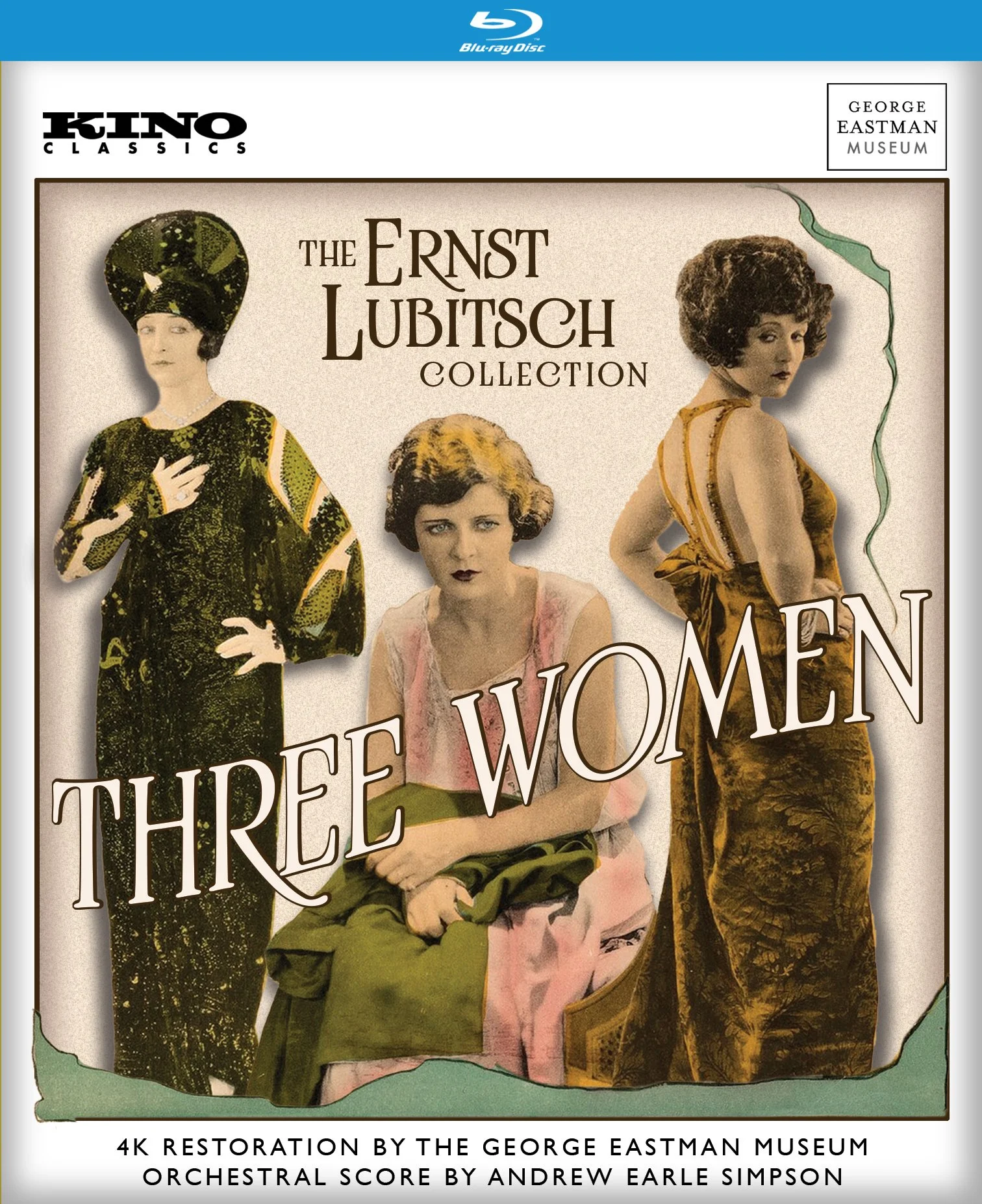
Kino Lorber has recently released Ernst Lubitsch’s Three Women (1924), an interesting if uneasy mix of sophisticated comedy and maternal melodrama. And, luckily, Flicker Alley has an excellent DVD-R edition of The Marriage Circle (1924). Unfortunately, the best version of Lady Windemere’s Fan (1925) which was included in the National Film Preservation Foundation’s set More Treasures from American Film Archives is out of print.

Norma Talmadge’s films are poorly represented on home video. I would particularly like to see good copies of:
Yes or No? (Roy William Neil, 1920)
The Sign on the Door (Herbert Brenon, 1921)
Secrets (Borzage, 1924)
The Lady (Borzage, 1925)